


Remember that sinking feeling when your beautiful orchid flowers suddenly drop? I killed three orchids before discovering these foolproof care secrets. Now my Phalaenopsis orchids bloom twice yearly like clockwork!
I have learned to take care of orchids, after years of trial and error (and a few tears over dead plants). The methods can be applied when you are a beginner or trying to make that stubborn orchid to re bloom.
Table of Contents
What I Learned About Basic Orchid Care (The Hard Way)
My Daily Orchid Care Routine
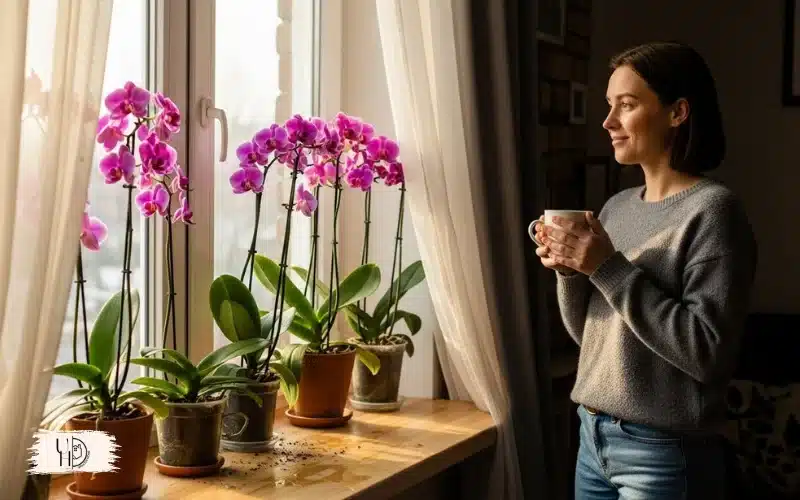
I check my orchids every morning with my coffee. Spends half a minute and it changes everything. Orchid care is not too hard when we are aware of what to observe.
The biggest mistake? Over watering. I learned that yellow orchid leaves mean too much water, not too little. Now I use the finger test daily. Stick it in about an inch. Dry? Water tomorrow. Still damp? Wait.
My Beginner Orchid Care Checklist
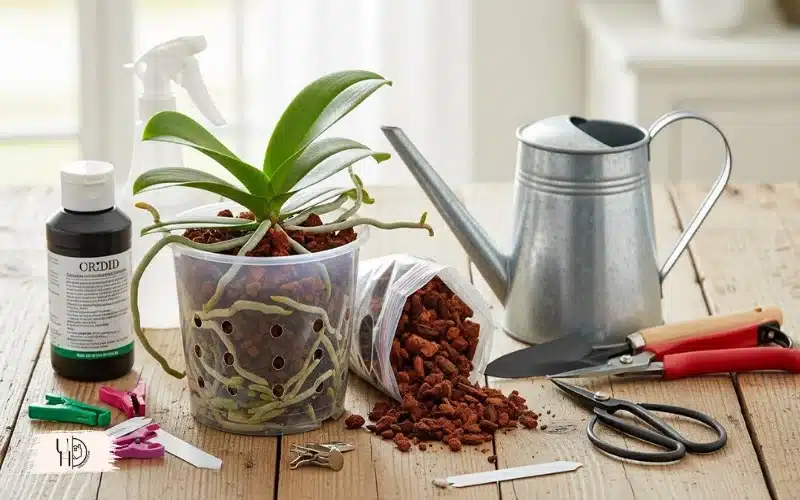
Hearken, I have heard that orchids were these high fussy flowers. O, I was only overthinking everything. Here’s what actually matters
| Task | Frequency | My Quick Tip |
| Check soil moisture | Daily | Stick finger 1 inch deep (yes, really) |
| Water thoroughly | Weekly (7-10 days) | Orchid watering frequency changes with seasons |
| Rotate pot | Bi-weekly | Quarter turn prevents lopsided growth |
| Check for pests | Weekly | Look under leaves, especially Monday mornings |
| Clean leaves | Monthly | Damp cloth, no fancy products needed |
Honestly? Sometimes I forget the rotation thing for weeks. The orchids survive just fine.
How I Care for My Phalaenopsis Orchids Specifically
The Light Requirements I Follow
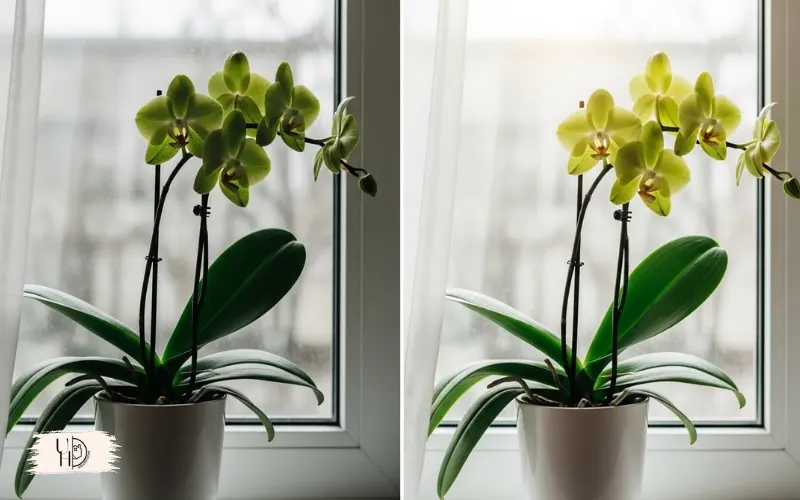
My orchids sit exactly 3 feet from an east-facing window. Well, 3 feet 2 inches if we’re being technical (I measured after losing orchid number two). Bright indirect light is the sweet spot. Think bright shade under a tree, not blazing sunshine.
I learned to read leaf color the hard way. Dark green means more light needed. Yellow-green means perfect. Reddish tinge? Too much sun. This simple trick transformed my orchid growing success rate from zero to hero.
My Foolproof Watering Method
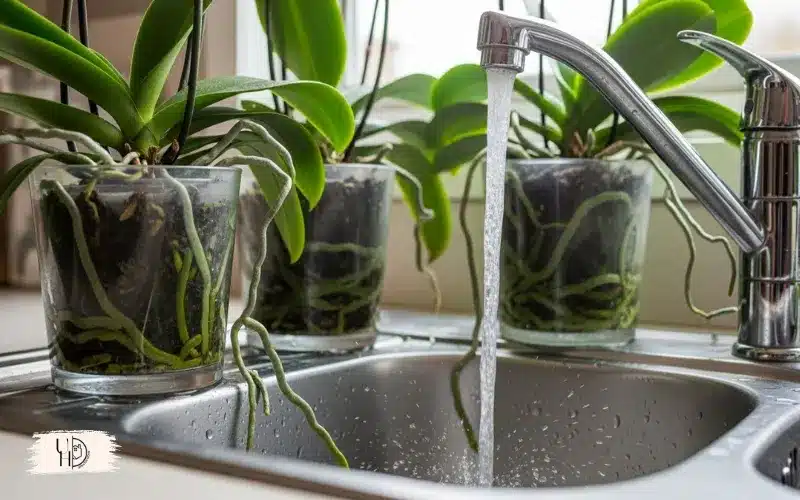
How to water orchids properly changed everything for me. Every Thursday morning (trash day reminds me), I haul all four orchids to my kitchen sink. Lukewarm water for exactly 15 seconds. Not 14, not 16. I’m weirdly particular about this now.
The game-changer? Letting them drain completely for 15 minutes while I make breakfast. Orchid root care means never letting roots sit in water. Those aerial roots turning silvery white? Time to water! Green means they’re still happy.
Why I Stopped Using Ice Cubes
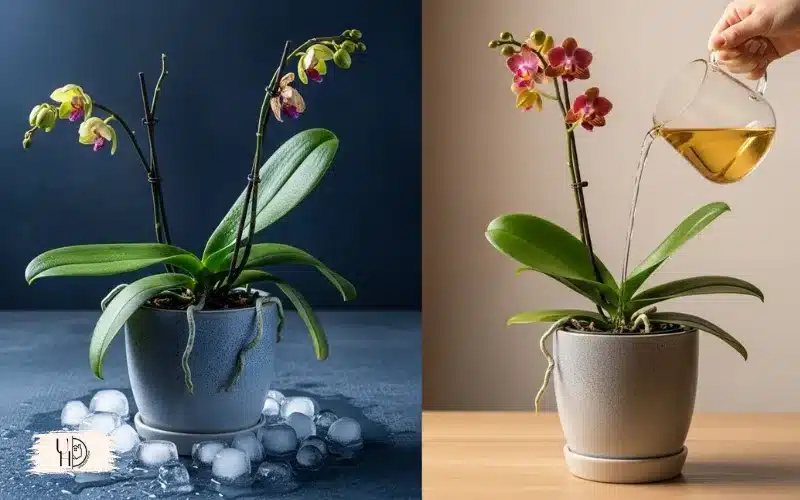
Yes, those care tags suggest ice cube watering. Tried it for three months. My first orchid died a slow, cold death. Room temperature water works so much better for consistent orchid plant health.
Two ice cubes weekly might work for some people but my orchids practically shivered. Trust your instincts over generic instructions. These are tropical plants, not penguins!
What I Do After My Orchids Bloom
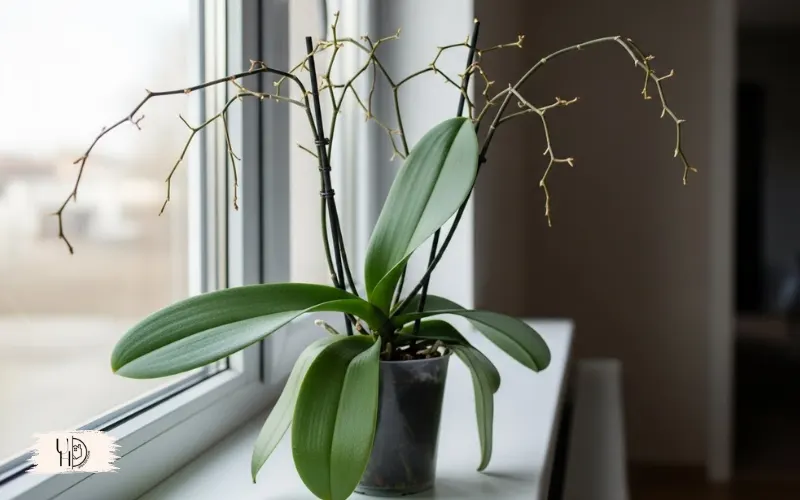
My Post-Bloom Care Strategy
When the last flower drops, I don’t panic anymore. Used to throw the whole plant away thinking it was dead (embarrassing but true). Orchid care after blooming is crucial for next year’s show. This rest period is when orchids build energy.
I continue normal care but reduce watering slightly. Maybe every 10 days instead of 7. My orchids taught me patience… they need 2-3 months of recovery before showing new growth.
How I Trim Orchid Spikes (2 Methods That Work)
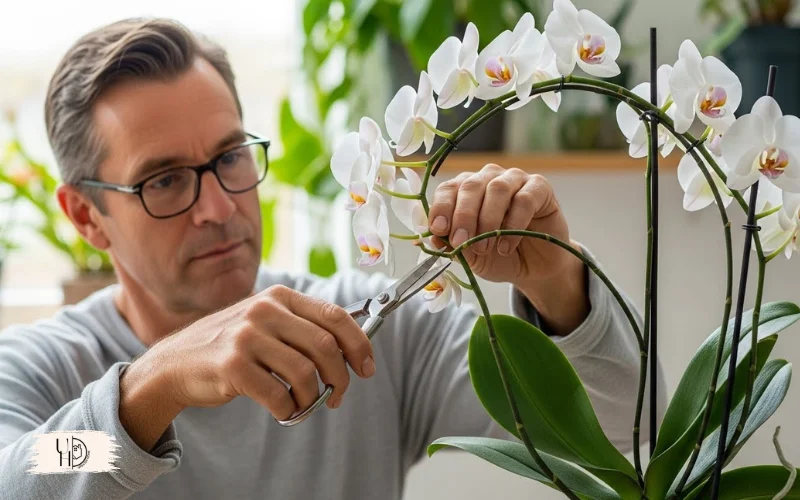
Trimming orchid stems depends on their color. Took me forever to figure this out:
Green stems: I cut half an inch above the second node from bottom. Sometimes triggers a secondary bloom within 8-12 weeks. Sometimes doesn’t. Orchids are moody like that.
Brown/yellow stems: Cut them off at the base to 1 inch. Dead stems will not regenerate and thus remove it redistributes energy to a newly sprouting plant. Knowing this after 6 months of waiting on a dead stick waiting to get magic.
Spotting New Growth (What I Look For)
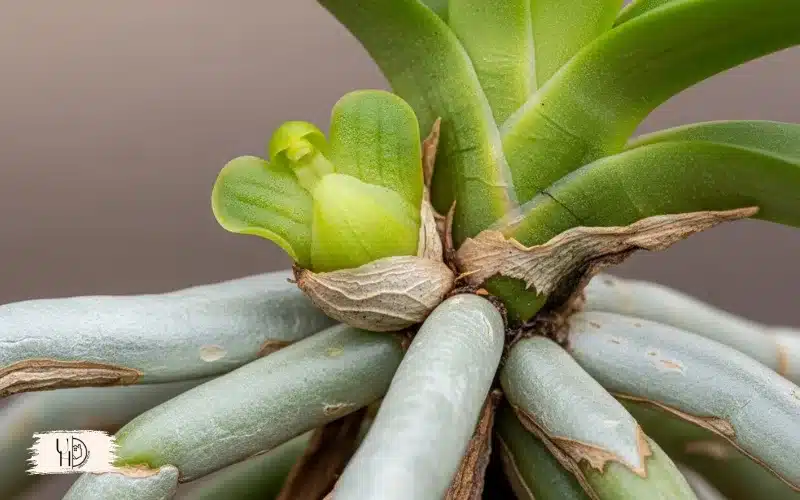
New orchid flower spikes look like tiny mittens. Smooth, pointed, growing upward. Roots are bumpy and grow every which way.
First time I saw one, I texted my sister a photo asking if my orchid was “broken.” She still sends me mitten emojis. Orchid spike vs root confusion is totally normal but the texture difference is obvious once you know.
My Fertilizing Schedule That Works
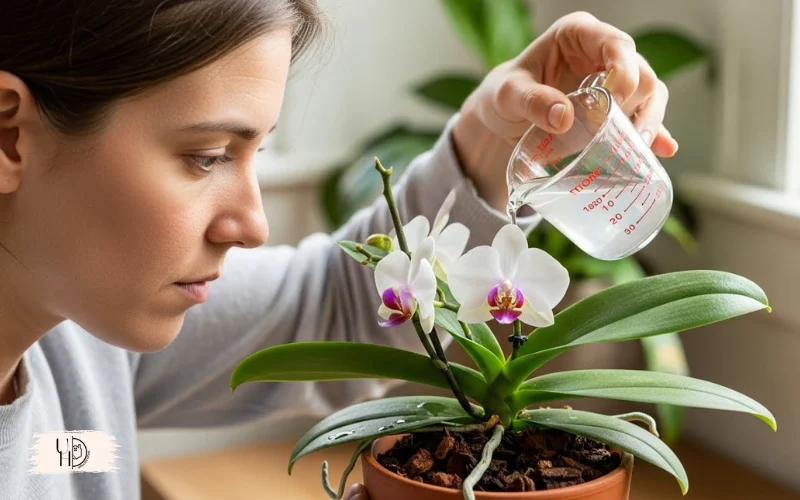
I use orchid fertilizer at quarter strength monthly. “Weakly weekly” burned my plants (RIP orchid number one). Monthly feeding provides steady nutrition without stress.
During blooming? I stop fertilizing completely. The plant focuses on flowers, not growth. Resume feeding after blooms drop for best orchid reblooming results. Sometimes I forget for two months. They forgive me.
Understanding Bloom Cycles
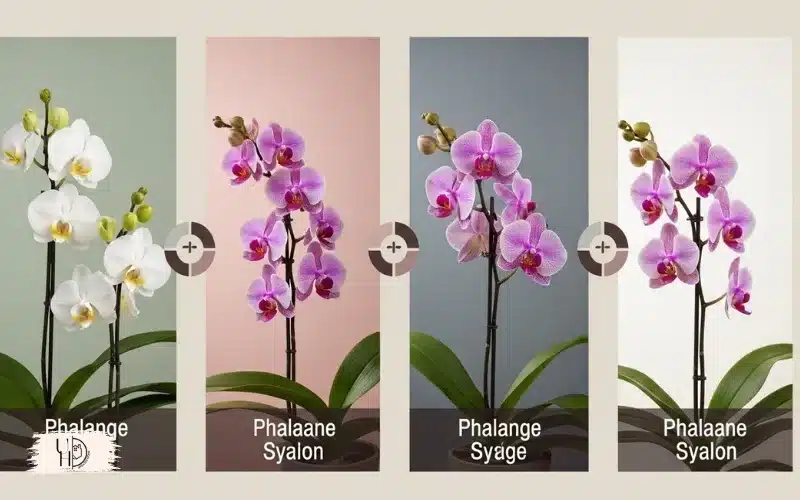
My orchid blooming frequency averages twice yearly. Winter and summer, like clockwork. Each bloom cycle lasts 2-3 months with proper orchid bloom care.
Some of my orchids bloom every 6 months, others yearly. My oldest one (5 years now!) blooms whenever it feels like it. Environment matters more than variety. Consistent care beats perfect conditions every single time.
My Secrets for Making Orchids Rebloom
Temperature Tricks I Discovered
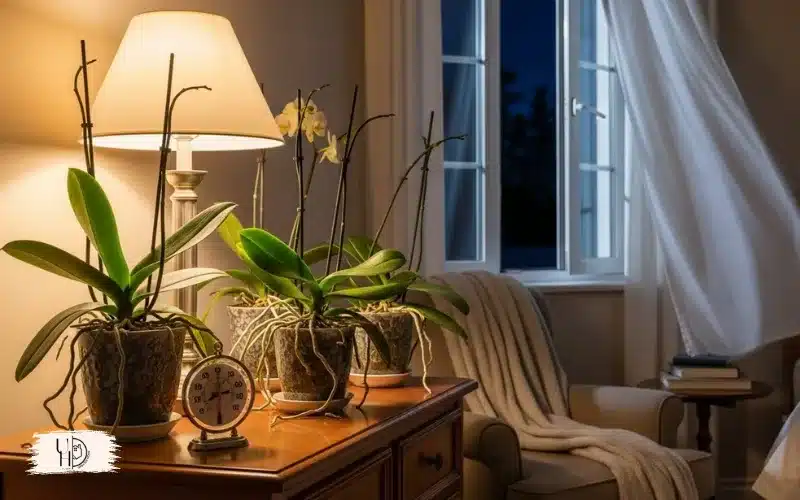
I discovered that temperature for orchid blooming needs variation completely by accident. Our guest room stays cooler because we’re cheap with heating. Moved a stubborn orchid there out of frustration. Two weeks later? New spike!
Now I deliberately move orchids to that room (60-65°F nights) for 2-3 weeks to trigger blooming. After new growth appears, back to the warm living room. This mimics natural seasonal changes that stimulate orchid flowering. Works every time except when I forget them there for a month. Oops.
My Repotting Process (When and How)
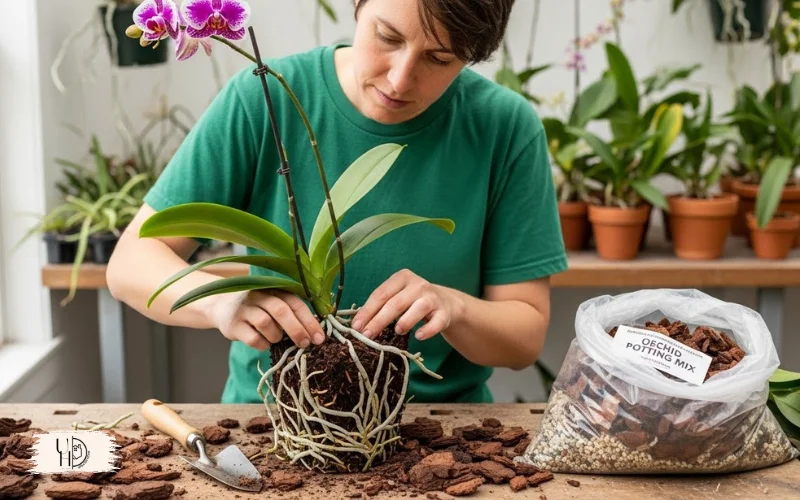
Repotting orchids happens every 2 years for me. Always after blooming, usually in April when I’m spring cleaning anyway. I use coarse orchid bark mix, never regular soil. Made that mistake once. Once.
Choose clear orchid pots with drainage holes so you can see the roots. They photosynthesize! Who knew? I learned that cramped roots bloom better, so I don’t size up unless roots are literally escaping.
| Repotting Signs | What I Notice |
| Decomposed bark | Looks like coffee grounds (or mulch) |
| Overcrowded roots | Pushing plant up out of pot |
| Poor drainage | Water pools on surface for ages |
| Salt buildup | White crusty stuff on bark |
Common Problems I’ve Solved
Dealing with Yellow Leaves
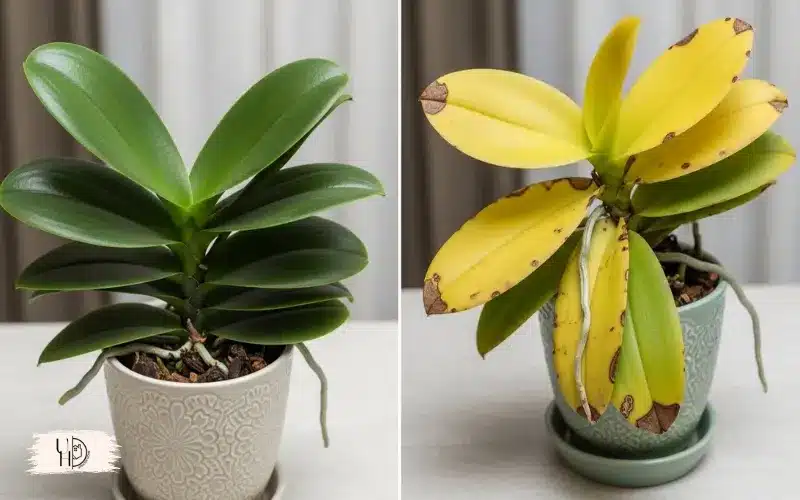
When I see yellowing orchid leaves, I check watering first. Bottom leaves yellowing naturally? Normal aging. Multiple leaves? Houston, we have a problem.
Overwatered orchids have soft, mushy yellow leaves. Underwatered orchids have wrinkled, leathery leaves. Adjust accordingly. New growth appears within weeks if you catch it early. Lost a whole orchid learning this difference.
Root Problems I’ve Fixed
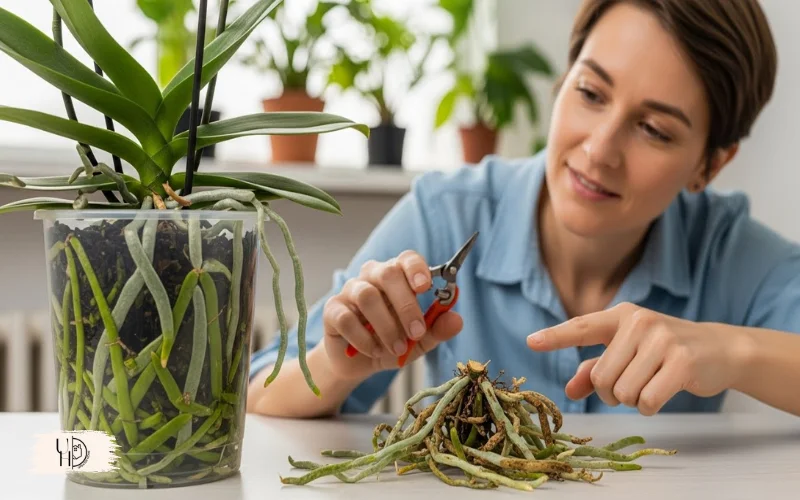
Mushy orchid roots mean rot. I cut them off immediately with sterilized scissors. And by sterilized I mean wiped on my jeans. Healthy roots are firm and green when wet, silver when dry.
Root rot in orchids nearly killed my favorite plant last January. Now I check roots monthly through clear pots. Prevention beats treatment every time. Learned that from my bathroom renovation disaster but it applies to plants too!
Pest Issues I’ve Encountered
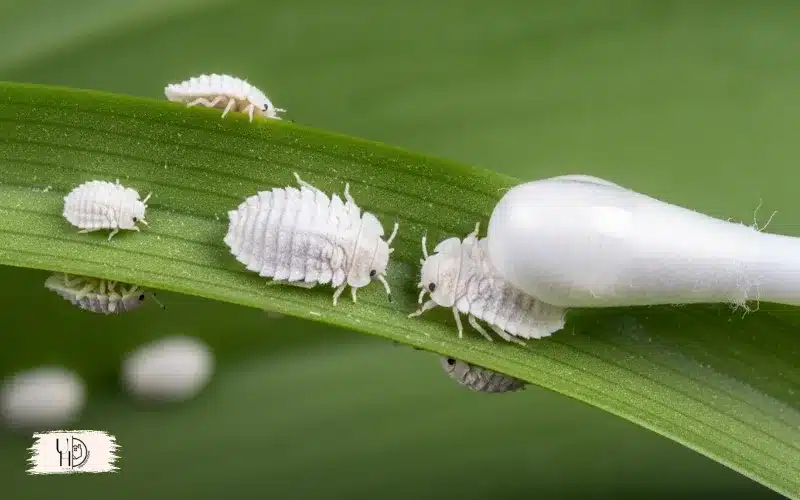
Orchid pests love hiding under leaves. I inspect weekly (okay, when I remember) and treat scale on orchids or mealybugs immediately with rubbing alcohol on a cotton swab.
Prevention is key now. I quarantine new plants for two weeks in the laundry room. Maintain good air circulation with a small fan I got at a garage sale for $3.
Where I Place My Orchids for Success
Best Rooms in My House
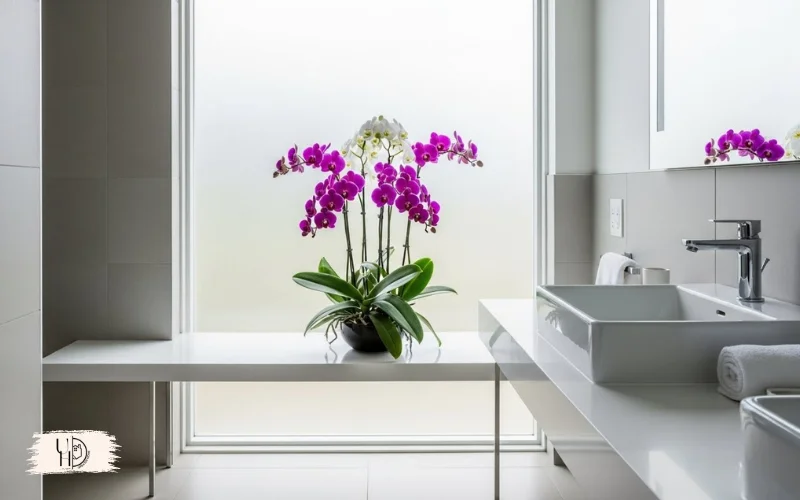
My bathroom orchids thrive in humidity from showers. The frosted window provides perfect filtered light for orchids. Natural humidity eliminates misting needs which is great because I’d definitely forget.
Kitchen windowsills work great too. Kitchen orchid care benefits from sink proximity and cooking humidity. Just avoid spots near the stove (learned that the hard way during Thanksgiving 2022) or drafty windows. Check out these kitchen organization tips while you’re rearranging for plants!
My Humidity Tricks
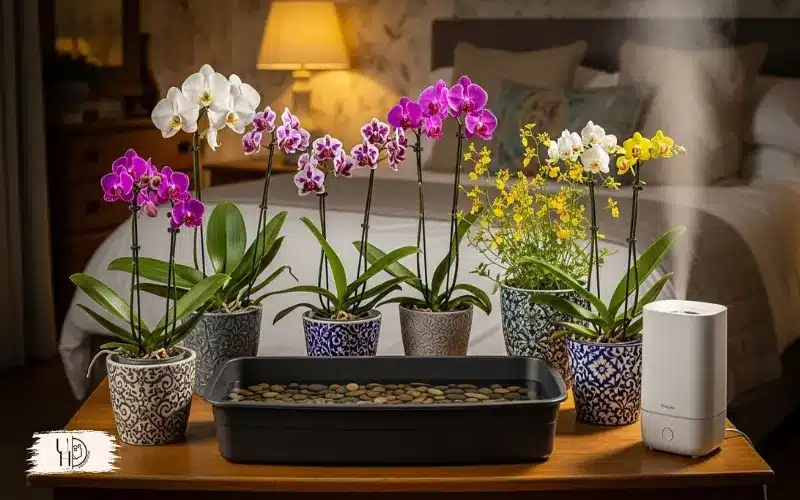
Orchid humidity requirements (50-70%) challenged me initially. I group plants together and use humidity trays filled with pebbles and water. Dollar store pebbles work fine, don’t buy fancy ones.
My bedroom needed help so I added a small humidifier from Target. Indoor orchid growing improved dramatically with consistent 60% humidity. Your interior design doesn’t suffer… orchids actually make everything look fancier!
My Favorite Orchid Varieties (Beyond Phalaenopsis)
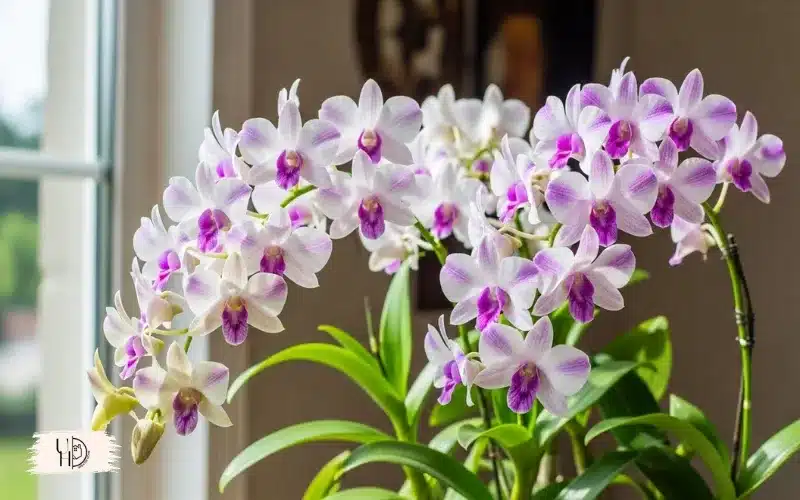
Dendrobium Orchids I Love
Dendrobium orchid care differs slightly. They need a winter rest with reduced water. Mine bloom prolifically with this dormant period. Forgot about one for three weeks once. Still bloomed!
These produce multiple flower spikes and tolerate temperature fluctuations better. Perfect for beginners wanting variety beyond moth orchids. Plus they’re usually cheaper at Trader Joe’s.
Cattleya Orchids That Wow
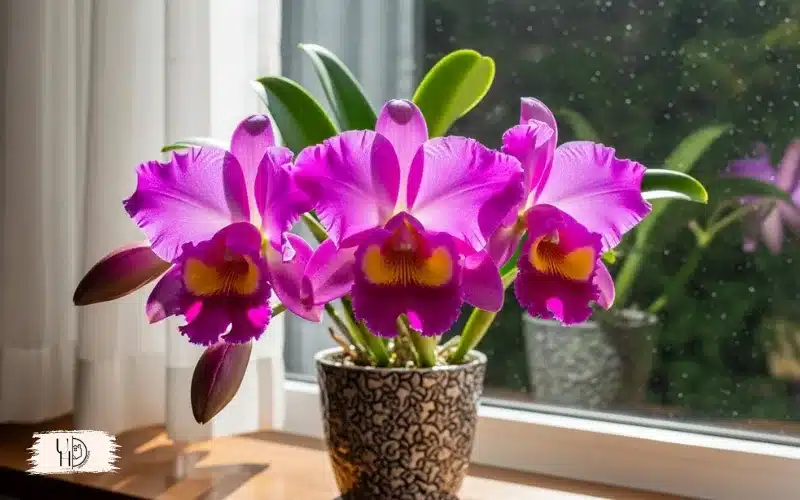
The care of cattleya orchids needs more light yet it compensates with sweet fragrant flowers that are showy. I also plant them in my south facing bedroom window in IKEA sheer curtains.
Their thick leaves store water so they’re forgiving of missed waterings. The fragrance fills the entire room when blooming! My husband says it’s too strong. I disagree.
Mini Orchids for Small Spaces
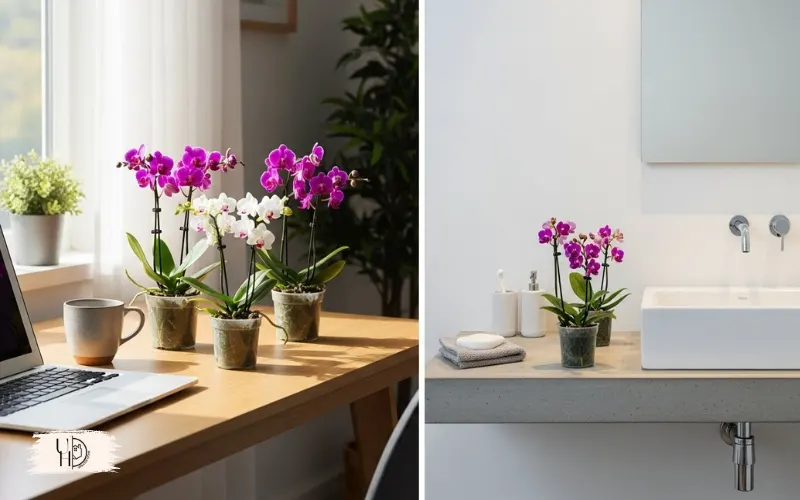
Mini orchid care mirrors standard orchids but in adorable packages. They fit perfectly on desks or bathroom counters where space is tight.
I water these more frequently, every 5 days, because smaller pots dry faster. They bloom more often too. Sometimes three times yearly! My record is four but that might’ve been a fluke.
My Shopping List for Orchid Success
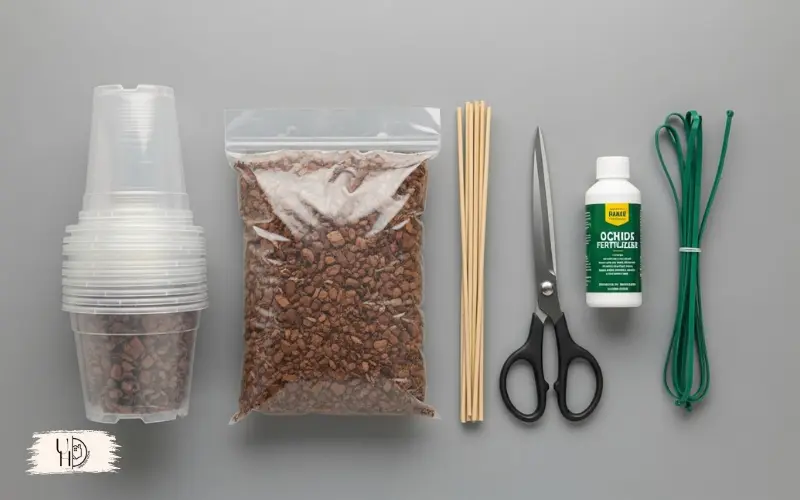
Essential Supplies I Use
Orchid potting medium matters most. Never use regular soil! I buy quality bark mix and replace every two years. Sometimes three if I’m being honest.
Here’s my basic toolkit: clear pots with drainage (old takeout containers work too), orchid fertilizer (20-20-20), bamboo stakes from the dollar store, soft plant ties, and scissors I “sterilize” with hand sanitizer. Some home gadgets like moisture meters help beginners avoid overwatering but aren’t essential.
Where I Buy Orchids

Grocery store orchids work perfectly! Kroger has great ones for $12.99. I check for firm leaves, healthy roots visible through pots, and unopened buds for longer blooming.
Specialty nurseries offer rare varieties and expert advice but cost way more. Online ordering works too but inspect immediately upon arrival. Lost $40 on a shipped orchid that arrived half-dead.
My Seasonal Orchid Care Adjustments
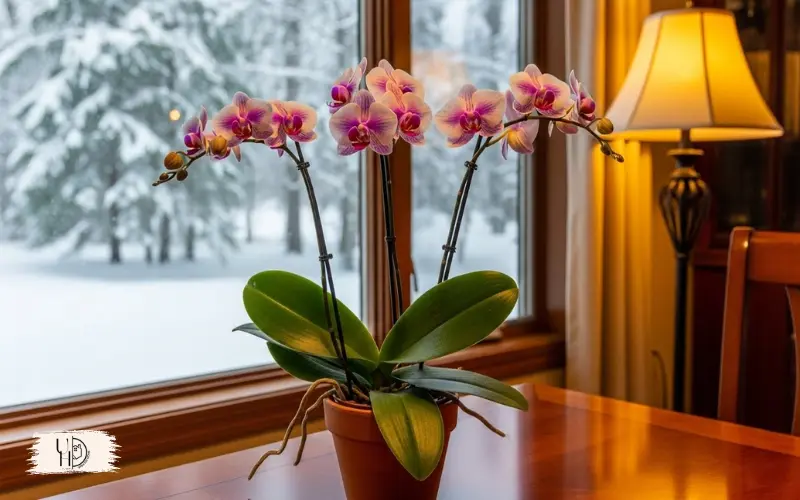
Winter Care Changes
Winter orchid care means less water, maybe every 10-14 days, and watching for cold drafts. I move plants away from windows on freezing nights. Forgot once and woke up to frozen orchid leaves. Not pretty.
Heating systems dry air drastically. I increase humidity and reduce fertilizing to match slower growth. Most orchids naturally bloom now! It’s like Christmas in February.
Summer Care Adaptations
Summer orchid care requires more frequent watering, every 5-7 days, and protection from intense sun. I use old sheets as curtains when it gets really hot. Classy? No. Effective? Absolutely.
Air conditioning helps maintain ideal temperatures but increases watering needs. I fertilize regularly during this active growth period. Set phone reminders or you’ll forget like I do.
Special Care Techniques I’ve Mastered
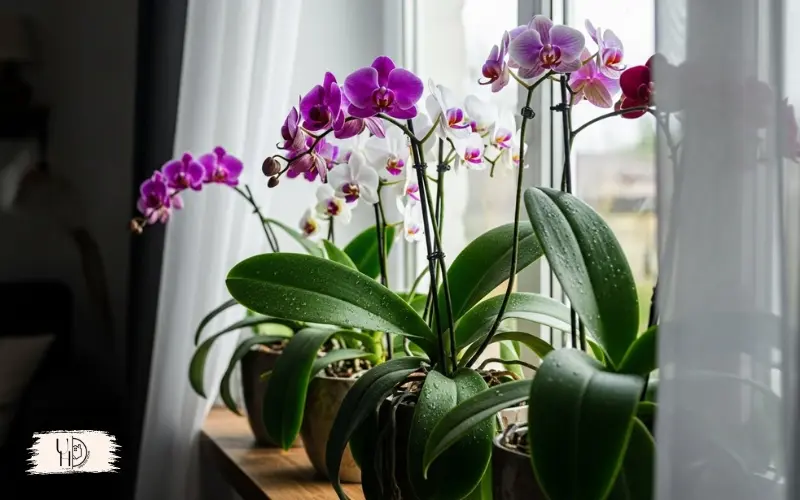
Mounting Orchids
Mounting orchids mimics their natural tree-growing habit. I use cork bark from the pet store (way cheaper than orchid suppliers) with sphagnum moss for moisture.
Mounted orchids need daily misting which is honestly annoying but they look stunning as living art. Perfect for adding tropical vibes to your home decor without taking up table space!
Water Culture Method
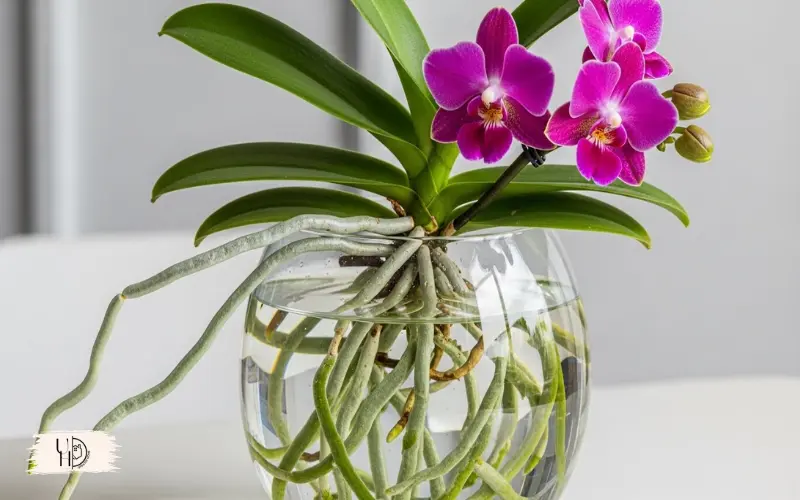
Orchids in water culture seemed crazy until desperation made me try it. Remove all medium, place in water for 2 days, then dry for 5 days. Repeat forever.
This method saved my severely dehydrated rescue orchid from Craigslist. Not for beginners but fascinating if you’re experimental. Your gardening skills definitely transfer to orchid care, just don’t overthink it!
My Final Thoughts
They are easier than you think, after five years of nurturing orchids or even killing them. It is best to start with one Phalaenopsis and learn the minimum care before increasing the collection. These flowers teach patience and compensate patience with beautiful flowers.
I went through the experience of making my orchids not mysterious plants, but consistent care made them dependable bloomers. Your orchid on the windowsill of the kitchen will grow equally well as in professional greenhouses. Have faith in the process, and some failures will follow, and those beautiful blossoms will emerge!