


The bathroom is one of the hardest-working rooms in any home, and its plumbing infrastructure is under near-constant stress. Pipes, seals, valves, and drains cycle through use every single day, and the wear that accumulates over months and years rarely announces itself dramatically.
Instead, it whispers — through a faint musty smell, a slightly higher water bill, or a tile that feels softer than it should. Learning to read those whispers is one of the most practical skills a homeowner can develop.
Table of Contents
The Scale of the Problem
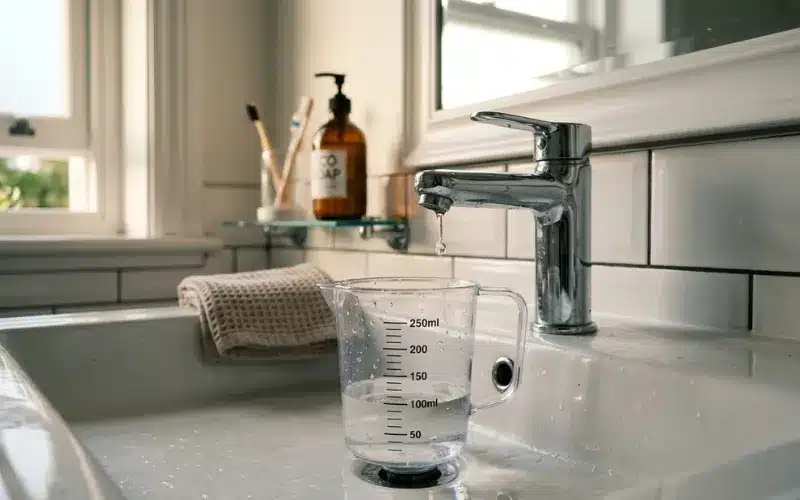
Before diving into what to look for, it helps to understand just how much undetected plumbing waste costs households. According to the EPA, the average family can waste around 9,400 gallons of water annually from household leaks — the equivalent of more than 300 loads of laundry.
More strikingly, ten percent of homes have leaks that waste 90 gallons or more per day. The bathroom, with its concentration of supply lines, drain connections, wax seals, and caulked surfaces, is where a significant share of those losses originate.
What Your Toilet Is Telling You
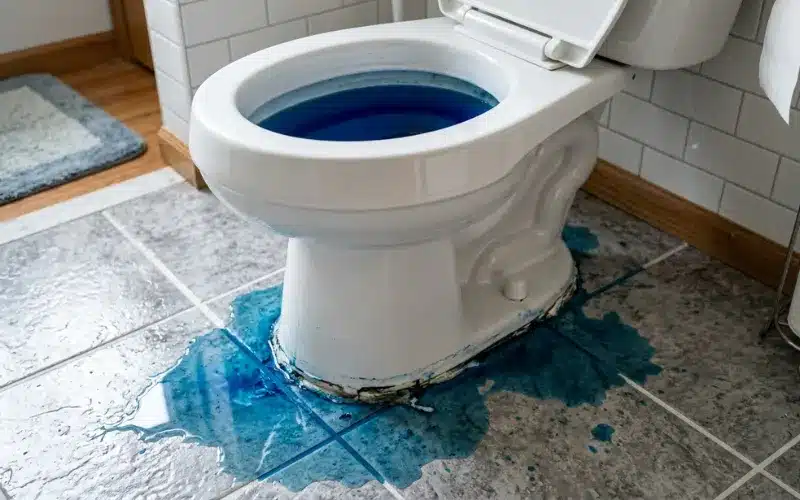
The toilet is responsible for a disproportionate amount of silent water waste in the home. A leaky toilet alone can waste up to 200 gallons of water every single day, yet many homeowners go months without realizing there is a problem. One of the simplest ways to check is the dye test: drop a small amount of food coloring into the tank and wait 15 minutes without flushing. If color appears in the bowl, water is seeping past the flapper and the mechanism needs attention.
Beyond internal leaks, pay attention to what happens around the toilet’s base. Water pooling around the base after flushing, soft or discolored flooring near the toilet, or a persistent sewage odor are reliable indicators that the wax ring seal has failed and needs replacement. A rocking toilet is another warning sign — if the fixture moves even slightly when you sit on it, the seal is compromised and water may already be seeping into the subfloor below.
Monitoring Water Pressure and Usage
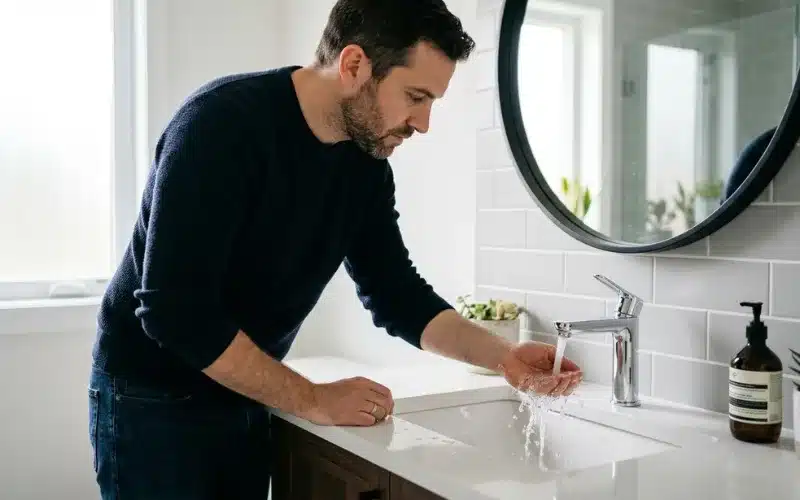
Unusual shifts in water pressure or unexpected spikes in the water bill are systemic clues that something is wrong. A sudden drop in pressure can indicate a developing pipe failure, while a creeping increase in monthly water costs — absent any change in household usage — often points to a concealed leak. Reading your water meter before and after a two-hour period of no water use is a reliable way to detect hidden leaks. If the meter moves during that window, water is escaping somewhere in the system.
For homeowners who want to go beyond basic monitoring, professional plumbing inspections can identify vulnerabilities that visual checks miss. This is particularly relevant when planning any renovation work. Contractors offering, for instance, bathroom renovation services across Northern Virginia often uncover slow leaks and subfloor damage that owners had no idea existed — making a remodel the ideal moment to address plumbing integrity before new finishes go in.
Faucet Drips and Supply Lines
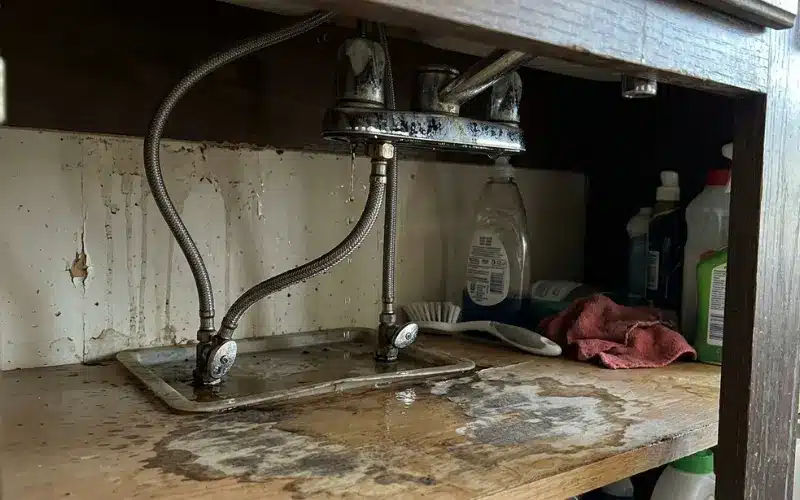
A dripping faucet may seem trivial, but a single faucet leaking at a rate of one drip per second can waste more than 3,000 gallons of water annually. Beyond the waste, the moisture it contributes to the vanity cabinet below creates conditions for mold and cabinet deterioration that often go unnoticed for years.
Supply lines — the braided hoses that connect shut-off valves to the faucet and toilet — deserve regular inspection. Loose fittings, corroded pipes, and aging shut-off valves can drip slowly over months or years, and because these leaks are hidden inside walls or under cabinets, damage builds quietly.
Look inside vanity cabinets for water stains, warped cabinet bases, or peeling paint near plumbing connections. Any of these suggests moisture has been present for some time.
The Shower and Tub: Where Grout Does the Heavy Lifting
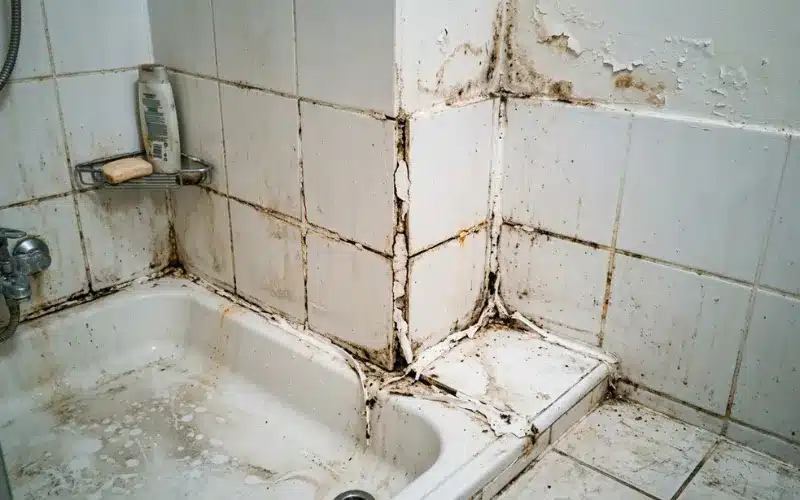
The shower enclosure is particularly vulnerable because it relies on grout and caulk — both of which degrade over time — to keep water contained. Cracked grout and deteriorated caulk may seem minor, but they are often the starting point for deeper damage. Once water breaches those surface barriers, it can soak into drywall, weaken subflooring, deteriorate framing, and create conditions for mold growth long before anything is visually apparent from inside the bathroom.
Run your fingers along the grout lines in the shower and around the tub surround. Any soft, crumbling, or missing sections should be resealed promptly. Similarly, the caulk bead where the tub meets the wall and the floor is a high-stress area that can develop gaps even when the rest of the enclosure looks fine. Mold can begin forming within 24 to 48 hours of water exposure, and structural wood components can weaken significantly within a few weeks of sustained moisture.
Reading the Floor for Hidden Damage
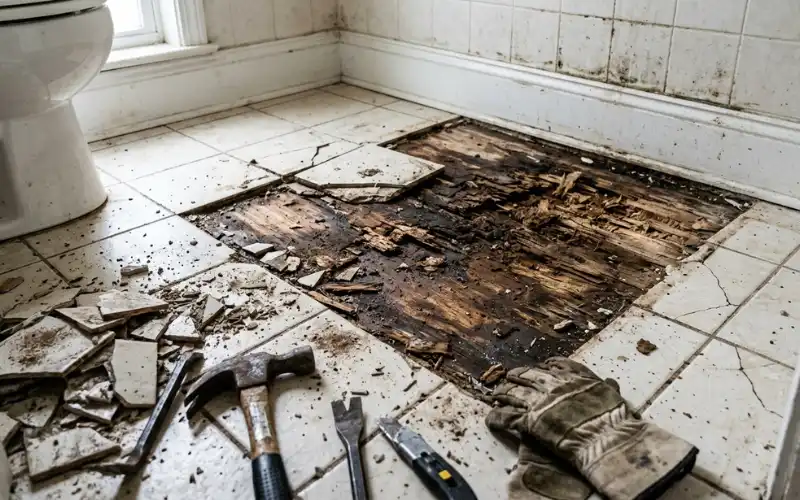
The bathroom floor can serve as an early warning system for problems that originate elsewhere. A slight spongy feeling underfoot, cracked tile, gaps between flooring and baseboards, or a persistent musty smell are all indicators of moisture accumulation below the surface.
These symptoms often appear long before any visible pooling or staining, which is exactly why they matter. Homeowners who dismiss a slightly soft floor as normal settling may be missing an early opportunity to address a slow drain leak or failed shower pan before subfloor replacement becomes necessary.
Why Early Action Pays Off
The bathroom rewards consistent attention. A few minutes of routine inspection — checking under sinks, testing the toilet for seepage, pressing on grout lines in the shower — can prevent small, inexpensive problems from becoming structural ones.
Most bathroom plumbing failures do not happen suddenly. They develop slowly, signaling their presence in ways that are easy to overlook but impossible to miss once you know what to look for.