


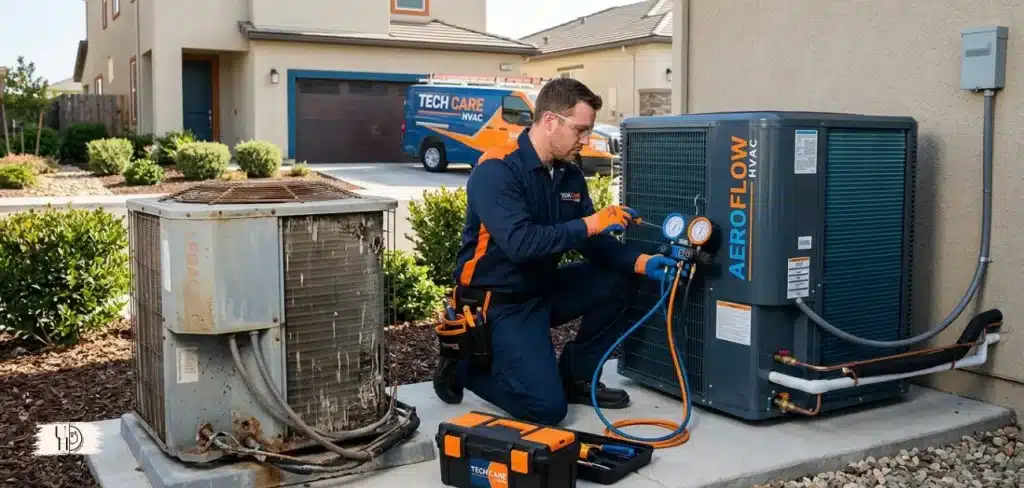
HVAC problems often start small, but they can quickly affect comfort, energy use, and repair costs if they are ignored. Regular HVAC maintenance helps homeowners catch early warning signs, keep the system running efficiently, and prevent minor issues from turning into expensive repairs. Many common HVAC problems are easier to manage when homeowners know what to watch for early.
Table of Contents
Common HVAC Problems To Know
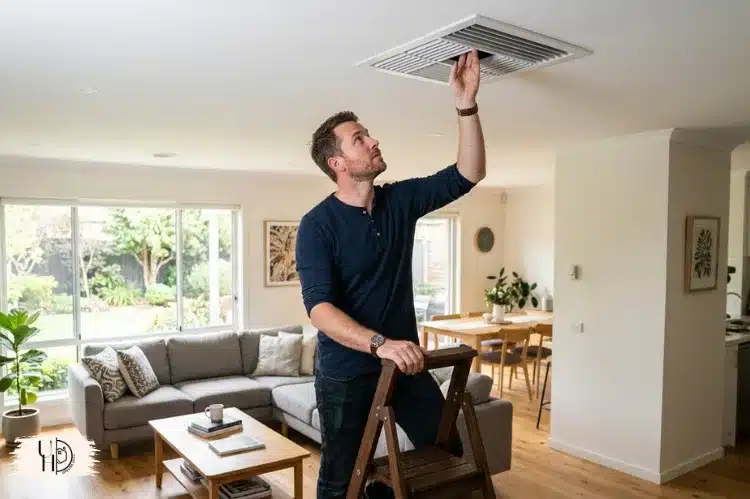
The most common HVAC problems are often the ones homeowners notice only after comfort starts slipping. Many start as small changes in how the home feels. A bedroom that never reaches the right temperature, air that feels clammy even when the AC is running, a system that seems louder than last year, or a unit that runs almost constantly can all point to an HVAC problem developing behind the scenes.
Dirty air filters, clogged drain lines, thermostat issues, weak airflow, refrigerant leaks, frozen coils, electrical problems, unusual noises, and short cycling are all common warning signs that something inside the system is struggling. Common HVAC issues can include hot and cold spots, weak airflow, poor humidity control, and rooms that never feel quite right. Performance problems include short cycling, long run times, rising energy bills, frozen coils, drainage issues, and equipment that struggles to start. Safety problems include burning smells, electrical issues, gas furnace concerns, and repeated system shutdowns.
What makes these problems tricky is that they rarely stay isolated. A clogged filter can restrict airflow, which can make the system overheat or freeze up. A small refrigerant leak can reduce cooling power and eventually damage the compressor. A thermostat that is slightly off can cause the HVAC system to run longer than needed, driving up energy bills while wearing down parts faster.
One thing many homeowners do not realize is that an HVAC system can be “working” and still be in trouble. Just because air is coming from the vents does not mean the system is operating efficiently, safely, or correctly. Most common HVAC problems start small, but they affect the entire system when ignored. The most expensive HVAC problems often begin during the stage when the system still runs but has to work harder than it should.
Paying attention to changes in comfort, noise, airflow, humidity, and energy use can help catch issues before they become major repairs. These changes are often early signs of HVAC problems that should not be ignored.
Why HVAC Problems Get Expensive
Small HVAC problems become expensive because the system is built to work as one connected unit. HVAC systems are not made up of isolated parts. Airflow, electrical components, refrigerant levels, drainage, controls, and mechanical parts all affect each other. When one part stops doing its job, other parts have to work harder to make up for it. That extra strain can turn a simple repair into a much larger breakdown.
For example, a dirty air filter may seem minor, but it can reduce airflow enough to make the blower motor work harder, cause coils to freeze, or make the furnace overheat. A worn capacitor might only cause occasional startup trouble at first, but if ignored, it can leave the system unable to run at all. A clogged condensate drain can start as a small water issue and turn into ceiling damage, mold concerns, or system shutdowns. A small refrigerant leak can slowly reduce cooling performance until one of the most expensive parts of the system is at risk.
Many costly HVAC repairs are not caused by one sudden failure. They are the result of small warning signs being overlooked for weeks or months. The real danger is not always the first problem. It is the extra stress the first problem creates. Homeowners often wait because the system still turns on, but that is when hidden damage can start adding up.
Addressing minor issues early is almost always less expensive than waiting until the system stops working completely. In many cases, the difference between a manageable repair and an expensive repair is how long the system was forced to operate while struggling. Common HVAC issues that seem minor at first can become expensive when the system keeps running under extra strain.
Common Warning Signs You Need An HVAC Inspection
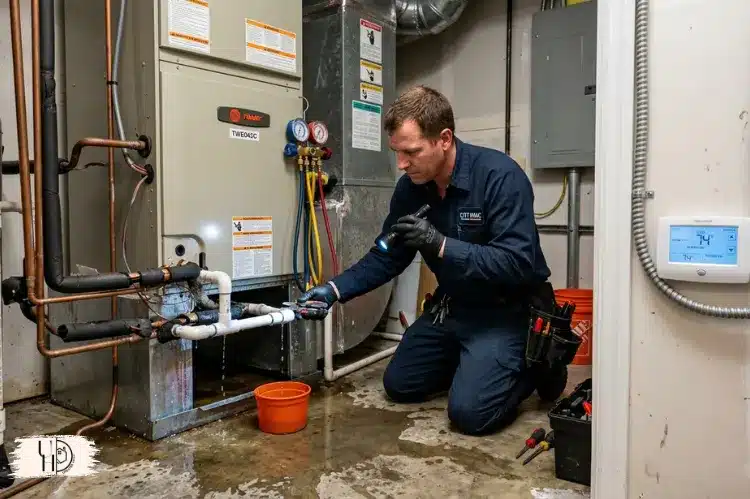
Homeowners should schedule an HVAC inspection when the system starts behaving differently than usual. A good rule for homeowners is this: if your HVAC system starts changing its behavior, it is worth having it checked. Most systems give warning signs before they fail completely.
Warning signs include uneven temperatures from room to room, weak airflow, warm air coming from the vents during cooling season, cool air during heating season, strange odors, loud noises, frequent cycling, rising energy bills, water around the indoor unit, humidity that feels higher than normal indoors, longer run times, or a system that needs constant thermostat adjustments to keep the home comfortable. These are common signs of HVAC problems, especially when they show up suddenly or keep getting worse.
Another important warning sign is a system that still runs but no longer keeps the home comfortable. One overlooked warning sign is when the home feels uncomfortable even though the thermostat says the temperature is correct. That can point to humidity problems, airflow imbalance, duct issues, poor system performance, or equipment that is no longer conditioning the home properly.
An inspection is especially important if the system is older, has not been serviced recently, or seems to be running longer than it used to. A professional inspection can identify worn parts, airflow restrictions, refrigerant issues, electrical concerns, and safety risks before they lead to a larger repair.
An HVAC inspection is not only for systems that have stopped working. It is for systems that are beginning to act differently. Catching those changes early can help homeowners avoid more serious repairs later. Learning the signs of HVAC problems gives homeowners a better chance to act before a small issue turns into a larger repair.
Common HVAC Issues To Check First
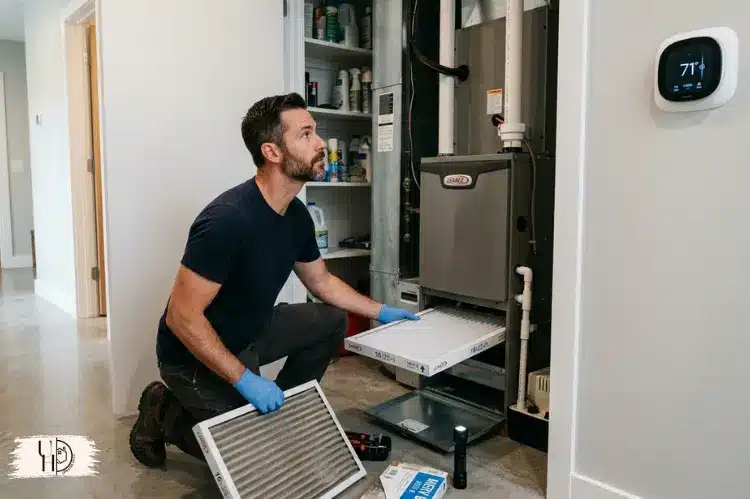
Before calling for HVAC repair, homeowners can safely check a few basic things. These checks will not fix every HVAC problem, but they can rule out common causes and help you explain the issue clearly if you do need a technician.
Start with the thermostat. Make sure it is set to the correct mode, the temperature setting is accurate, and the batteries are working if it uses them. Next, check the air filter. If it is dirty or clogged, replacing it may improve airflow and system performance. Homeowners can also check that supply and return vents are open, visible, and not blocked by furniture, rugs, or curtains.
Around the outdoor unit, remove leaves, grass clippings, weeds, and debris so the system has room to breathe and release heat properly. Indoors, look for water around the HVAC unit, obvious signs of ice on the indoor or outdoor unit, ice on refrigerant lines, or unusual odors when the system starts. For water concerns, check whether the condensate drain area appears backed up or leaking.
These are safe checks, not repair steps. Homeowners should avoid opening electrical panels, handling refrigerant, bypassing safety switches, relighting equipment repeatedly, forcing frozen equipment to run, or attempting repairs that involve wiring, motors, burners, gas lines, or sealed components. If the same issue comes back after basic checks, the system is asking for professional attention. These common HVAC issues should be checked early, but repeated problems usually need a professional inspection.
Signs Of HVAC Problems To Watch
Homeowners should call a professional when the HVAC system shows signs that go beyond basic troubleshooting. These include burning smells, electrical odors, loud grinding or banging noises, repeated breaker trips, water leaking around the unit, ice forming on the system, no heating or cooling, weak airflow that does not improve after changing the filter, or a system that keeps turning on and off rapidly.
You should also call a professional if your energy bills rise suddenly without a clear reason, or if the system can no longer keep up during normal weather. If your HVAC system used to cool or heat the home well but now struggles under similar conditions, something has changed. That change could involve airflow, refrigerant, electrical parts, ductwork, controls, aging equipment, or a failing part.
Short cycling is easy to ignore because the system is technically running, but it can place heavy strain on major components. Any issue involving refrigerant, gas, electrical components, persistent leaks, drainage, or repeated shutdowns should be handled by a licensed HVAC technician.
These problems can affect system safety, efficiency, repair costs, and long-term reliability. Calling early can prevent a manageable repair from becoming a full system failure. If you notice signs of HVAC problems more than once, it is usually better to schedule service than wait for the system to stop working.
HVAC Repair Prevention Tips
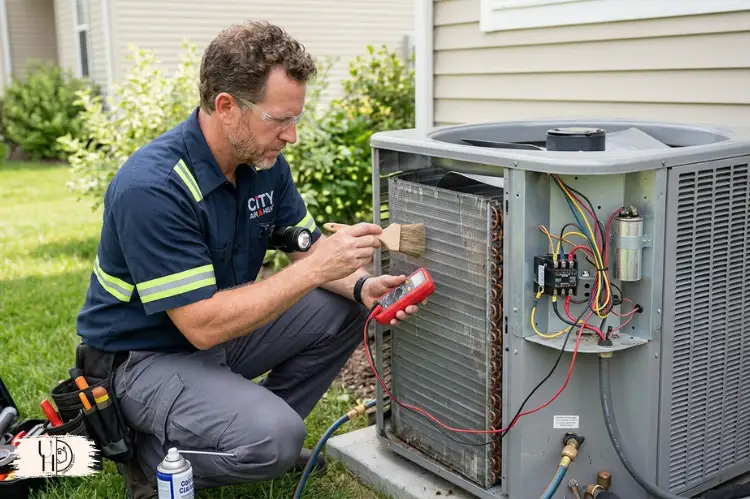
HVAC repair prevention helps homeowners avoid costly breakdowns by catching problems while they are still small, affordable, and easier to fix. Most major breakdowns do not happen out of nowhere. They often develop from dirty components, weak electrical parts, poor airflow, worn motors, clogged drains, loose connections, or small performance issues that were never corrected.
Preventive maintenance keeps the system clean, checks for worn parts, confirms safe operation, and helps the equipment run as efficiently as possible. During a preventive service visit, a technician can inspect electrical connections, test system controls, check airflow, clean important components, look for leaks, evaluate refrigerant performance, inspect drainage, measure performance, and identify parts that are wearing out.
These steps reduce the chances of sudden breakdowns during the hottest or coldest days of the year, when the system is under the most stress. HVAC repair prevention helps homeowners fix problems on their schedule instead of waiting for the system to fail during a heat wave, cold snap, holiday weekend, or busy workday.
For homeowners, prevention is not just about avoiding repairs. It is about protecting comfort, lowering energy waste, extending the life of the HVAC system, protecting expensive parts, and reducing the risk of emergency service calls. A well-maintained system usually runs more quietly, more efficiently, and more reliably.
Prevention does not mean your HVAC system will never need repairs. It means you are less likely to be surprised by the most stressful and expensive ones. Good HVAC repair prevention also makes it easier to spot common HVAC issues before they affect the entire system.
HVAC Emergency Prevention Basics
HVAC emergency prevention protects more than indoor comfort. It also helps protect the home itself. When HVAC problems are ignored, they can lead to water damage, poor indoor air quality, electrical hazards, frozen pipes in cold weather, excessive humidity, mold growth, or unsafe heating conditions.
For example, a clogged drain line can cause water to overflow into floors, ceilings, or walls. A failing furnace component can create safety concerns. A cooling system that cannot control humidity may make the home feel damp and uncomfortable while creating conditions where mold can develop. In winter, a heating failure can put plumbing at risk if indoor temperatures drop too low.
Preventing HVAC emergencies means making sure the system is ready before extreme weather arrives. Regular inspections, timely repairs, filter changes, and attention to early warning signs all help homeowners avoid stressful breakdowns and protect the home from damage that can cost far more than the HVAC repair itself. HVAC emergency prevention also means responding early when the system starts showing signs of stress. A unit that is louder, weaker, smellier, wetter, or less consistent than usual is giving you useful information.
The goal is not just to avoid an inconvenient breakdown. It is to prevent the kind of HVAC failure that disrupts your home, damages property, creates safety concerns, or forces you into a rushed repair decision. HVAC emergency prevention is especially important before extreme temperatures arrive, when the system has to work harder and small problems can become urgent faster.
When Common HVAC Problems Need Inspection
Homeowners should schedule an HVAC inspection before peak heating or cooling season, not after the system is already under heavy demand. The best times are usually spring for air conditioning and fall for heating. This gives a technician time to catch problems before extreme temperatures put extra strain on the equipment.
You should also schedule an inspection if your system has not been serviced in the past year, if it is more than 10 years old, if it recently needed a repair, if you recently moved into the home, or if you have noticed changes in comfort, airflow, noise, odors, humidity, cycling, water around the unit, or energy bills. Even small changes can be early signs that the system needs attention.
The best rule is to schedule an inspection as soon as something feels different. HVAC systems often give warning signs before they fail. Acting early gives homeowners more options, lowers the chance of emergency repairs, improves efficiency, and helps keep the home comfortable when the system is needed most. When common HVAC problems are caught early, homeowners can often avoid rushed repairs and reduce the risk of serious system damage.