


DigiTrak F2 Sondes are locating transmitters used in horizontal directional drilling. The sonde is placed behind the bit inside a pressure rated housing and emits a coded field. An F-series walkover receiver interprets this field as depth, pitch, and roll. Operators use these readings to steer, confirm cover at crossings, and compile as-built records that can be audited later.
Table of Contents
What the system reports
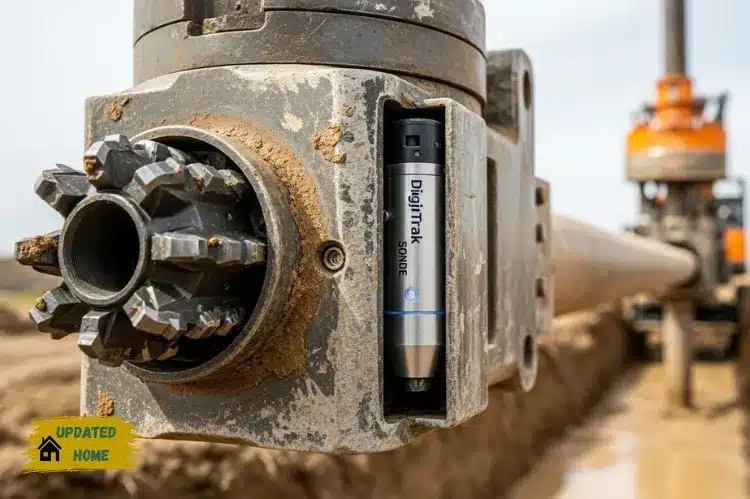
- Depth with surface offset that reflects receiver height and local grade
- Pitch for maintaining line and grade through bends and tie-ins
- Roll or clock position for toolface control during steering
- Temperature and status indications to warn about overheating or low power
Key characteristics
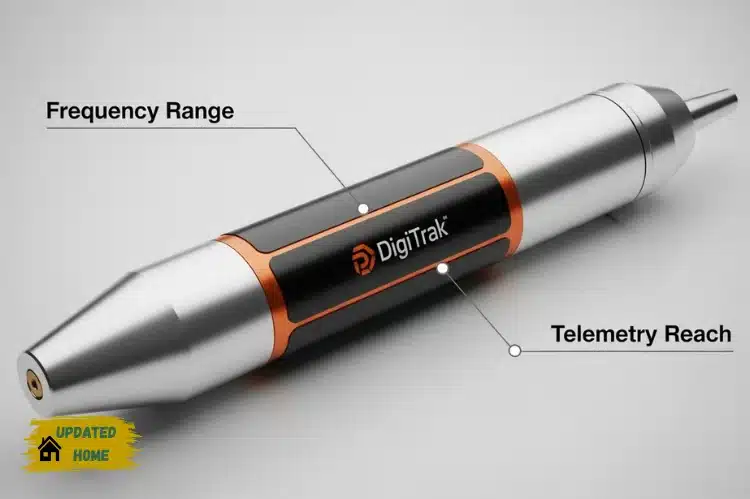
- Wide tuning span with many selectable steps across low and high bands in the 4.5–45 kHz range
- Telemetry reach up to about 550 m in favorable conditions
- Four telemetry channels for site specific channel plans
- Li-ion power with a typical runtime of about 10–14 hours per charge
- Single button control with an LCD status display and an audible beeper
- Operating temperature from −20 °C to +60 °C
- Typical measurement accuracy near 5 percent when properly calibrated
Frequency planning
Frequency selection is central to stable locating. Lower bands tend to penetrate farther in wet or conductive soils and help when daylight distance is large. Higher bands can produce sharper peaks in cleaner ground with less electromagnetic interference. Crews usually choose a primary band and a backup band during a pre-walk of the route, then verify both at entry, bends, crossings, and exit before drilling begins.
Typical use cases

- Municipal utility corridors with mixed soils and moderate interference
- Short urban shots that require frequent verification points
- Road and river crossings that benefit from conservative arcs and clear cover checks
- Industrial yards where reinforced concrete and steel racks distort fields
Operating routine
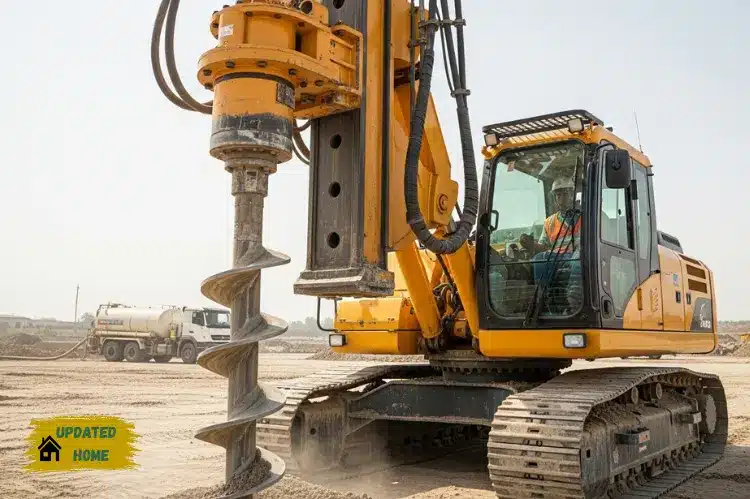
- Set the F-series receiver to the intended band and note a backup band
- Install batteries in the sonde and hold it still for about four seconds to complete initialization
- Verify signal quality and roll by rotating the sonde through known clock positions
- Record a baseline depth at a fixed receiver height
- Place the assembly horizontal, install the head, and start the pilot
- Log by rod with depth, pitch, clock, soil notes, pump rate, and the active band
- Stop at hold points such as crossings to confirm cover and take redundant readings when required
- Verify at the exit and finalize the as-built with notes on any deviations
Troubleshooting

- No data displayed. Check that sonde and receiver are on the same band, wait for initialization, replace batteries if needed
- Depth bouncing. Recalibrate, keep receiver height steady, take the reading away from metallic clutter
- Weak or choppy signal. Shorten daylight distance, sidestep a few meters to escape a local interference node, switch to a lower band
- Roll drift. Inspect housing fit and O-rings, reseat batteries, re-index toolface, repeat the clock test
- Overheating. Increase fluid flow, reduce dwell on hard faces, allow cool down, clear fines from vents
Selection notes
Choose the transmitter for the ground and the geometry rather than forcing one beacon to fit every job. Standard range sondes work well for short shallow city shots. Extended range options are useful under highways and rivers or where access and interference increase daylight distance. Verify housing pressure rating, wall thickness, and flow path for cooling. If a project standardizes on F5 class receivers, evaluate Digitrak F5 compatible transmitters with a frequency plan that matches local soils and expected electromagnetic conditions.
Care and handling
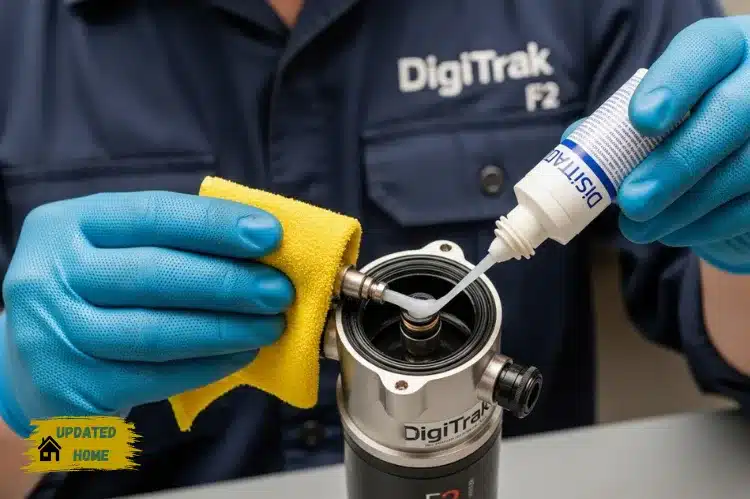
- Inspect threads, vent paths, and seals at each battery change and apply compatible lubricant as needed
- Store spare cells with desiccant to limit moisture exposure
- Remove fines that pack around the electronics because caked cuttings trap heat
- Transport and store sondes in padded cases to reduce shock and vibration
At a glance
| Parameter | Typical value |
| Frequency span | 4.5–45 kHz with many selectable steps |
| Telemetry range | Up to about 550 m depending on conditions |
| Channels | 4 telemetry channels |
| Power and runtime | Li-ion battery, about 10–14 hours typical |
| Temperature | −20 °C to +60 °C |
| Accuracy | About 5 percent with proper calibration |
This rewritten description presents a logical flow from purpose and signals to operation, troubleshooting, selection, and care. It references DigiTrak F2 Sondes in context and notes when Digitrak F5 compatible transmitters are considered, so readers can map equipment choices to site conditions and receiver families.
Read Next: Top Reasons to Hire a Professional Building Inspecto