


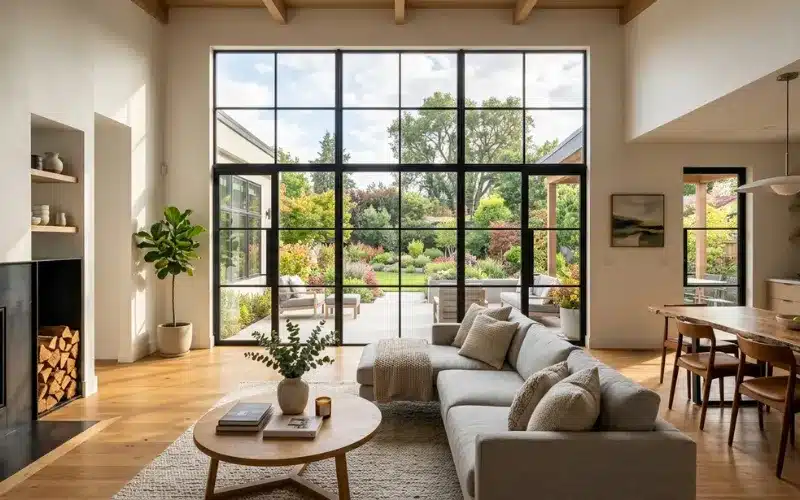
When people set out to improve a room, finishes get the first look almost every time. Paint colours, flooring, furniture, décor — that’s where the attention goes. All of it matters, but there’s one decision that quietly shapes how a room feels more than any of them, and it tends to get made almost by accident.
That decision is where the windows go.
The position, size, and arrangement of windows drive far more than how much daylight gets in. They shape comfort, the views you live with, your privacy, your energy use, and the whole experience of being in the room. Get the placement right and a home can feel brighter, larger, and more welcoming without a single change to its footprint — which is exactly why windows deserve real thought during a renovation or a new build, not a last-minute decision once the walls are framed.
Table of Contents
Daylight starts with placement, not size
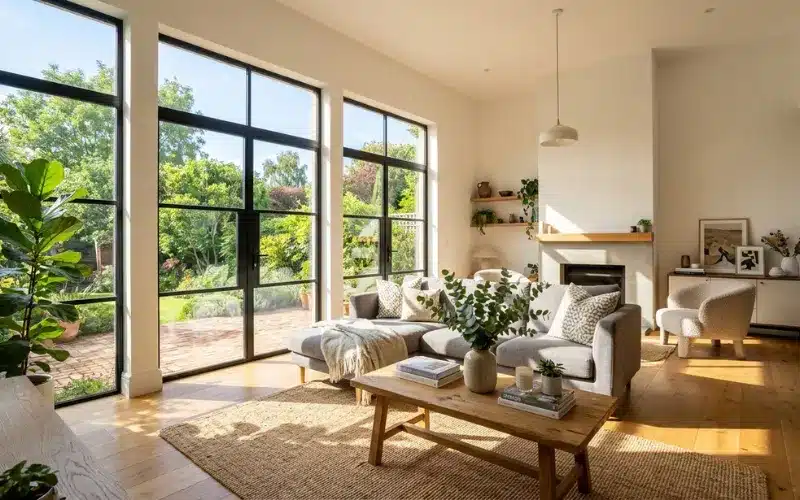
Natural light is one of the most valuable things a home can have. It makes rooms more inviting, makes everything easier to see during the day, and keeps you connected to what’s happening outside. But how much daylight a room actually gets isn’t settled by the size of the glass. Placement matters just as much.
A big window in the wrong spot can still leave half the room in shadow, while a smaller one positioned well spreads light evenly across the whole space. A north-facing window gives you soft, steady light all day; a south-facing one floods the room at noon and leaves it dim by evening. The point was never to add more glass. It’s to put the openings where they support how the room is actually used. When daylight reaches deep into a room rather than pooling by the wall, the entire space feels more open.
Views shape how a room feels
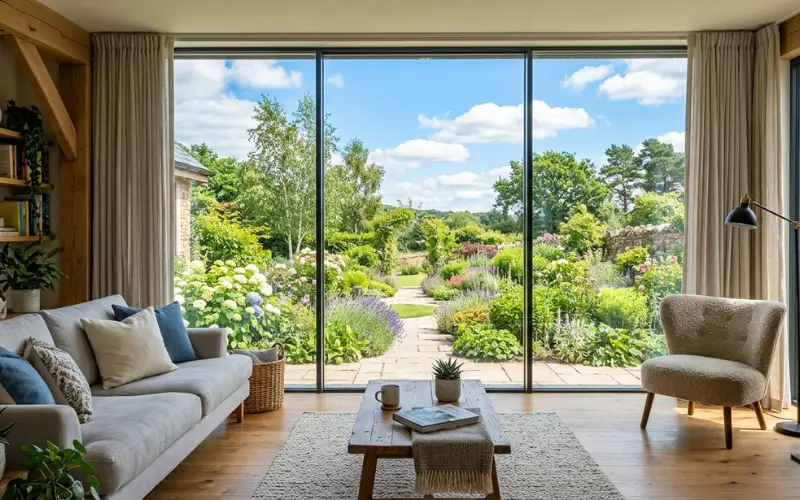
Windows don’t just let light in — they frame what you look at every single day. A window placed with care pulls your eye toward the garden, a mature tree, a decent stretch of sky. Even a modest view makes a room feel larger, because the eye travels straight past the walls and keeps going.
Placed carelessly, a window does the opposite. It can land squarely on the neighbour’s fence or a blank wall, or miss the one good thing there was to look at entirely. It’s one of the reasons window design pays off more than people expect: the right view lifts the character of a room as much as the right sofa or the right floor, and you never have to redecorate it.
Better placement can actually improve privacy
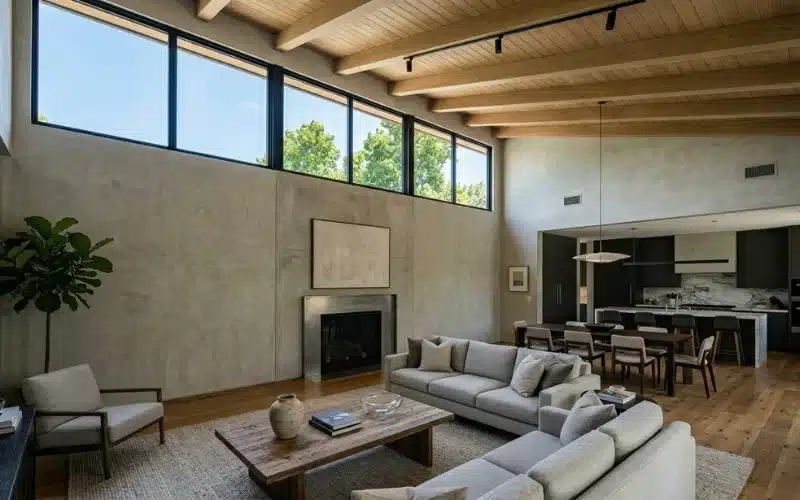
There’s a common assumption that bigger windows mean less privacy. In practice, where the window sits matters far more than how big it is.
A thoughtfully placed window can take in light and a view while keeping the sightline from next door’s upstairs window out of the equation. A window set higher on the wall lets a bathroom stay bright and private at once. The right orientation can face you toward your own garden and away from the house twelve feet across the side return. Handled well, you get the bright, connected interior without the feeling that the whole street can see in.
Light changes how big a room feels
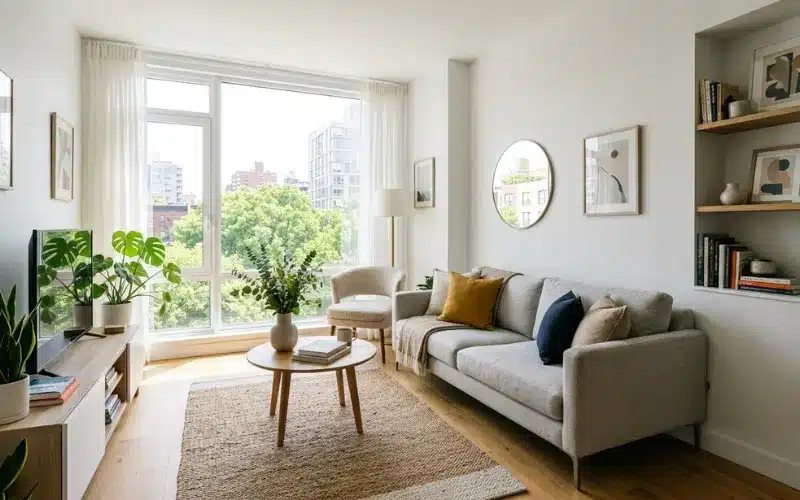
One of the simplest ways to make a room feel larger is to improve how daylight moves through it. Bright spaces read as more spacious because there are fewer dark corners and fewer visual dead-ends. Light softens the shadows, picks out the architectural details, and generally loosens the room up.
That’s especially useful in smaller homes and tight rooms. Better placement can’t add a square metre to the floor, but it can dramatically change how the space is experienced — which is why a lot of smart renovations chase the light before they touch anything structural.
Window design should support daily life
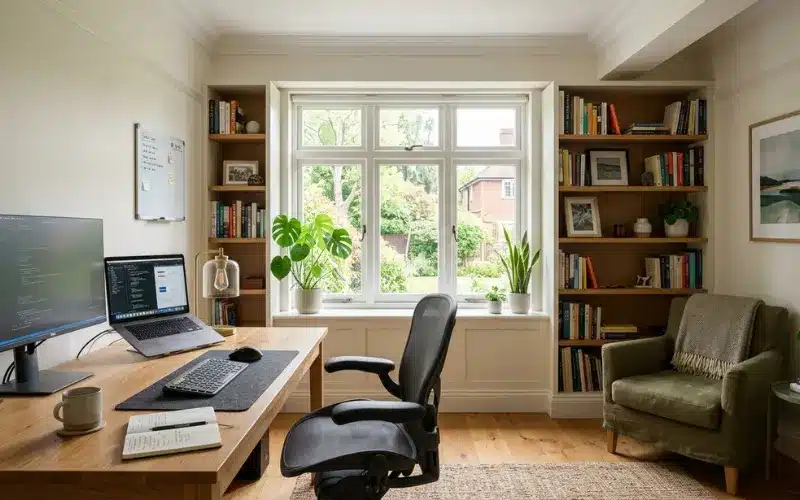
The best design choices aren’t only good-looking. They make the room work better. Windows quietly govern a surprising amount of daily life — where the furniture can go, whether a desk is comfortable or glare-blind, how often you reach for a light switch at two in the afternoon.
A kitchen benefits from extra daylight falling on the prep counter rather than the back of your head. A home office wants balanced light that doesn’t bounce off the screen all morning. A living room feels more inviting when the windows open up a real connection to the garden. Good placement lets each room do its particular job better.
A renovation is the moment to rethink the windows
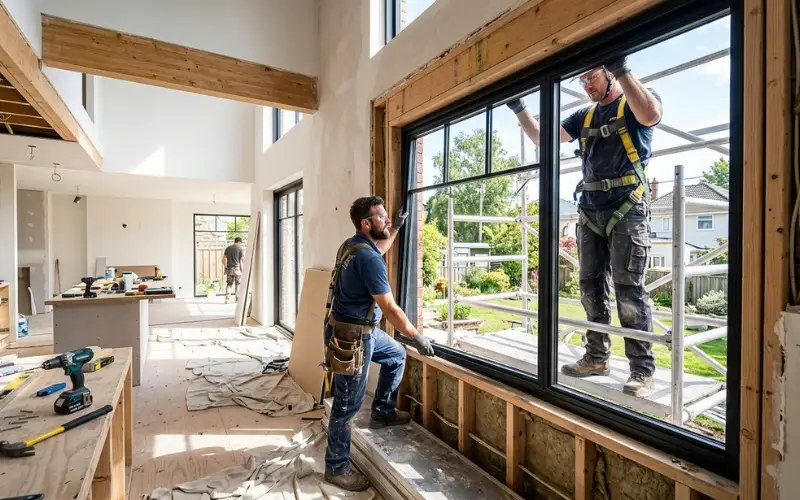
A lot of older homes were built around a different way of living — different layouts, different habits, different expectations of light. The windows that made sense then don’t always serve the way the rooms get used now.
A renovation is the ideal moment to revisit those decisions. Sometimes just shifting an opening a metre along the wall rebalances a whole room. Other times, larger or better-designed custom windows can improve the daylight, the views, and the way the room functions all at once.
The aim isn’t simply to freshen up how the house looks. It’s to end up with rooms that genuinely feel better to live in, day after day.
Energy performance is part of the equation
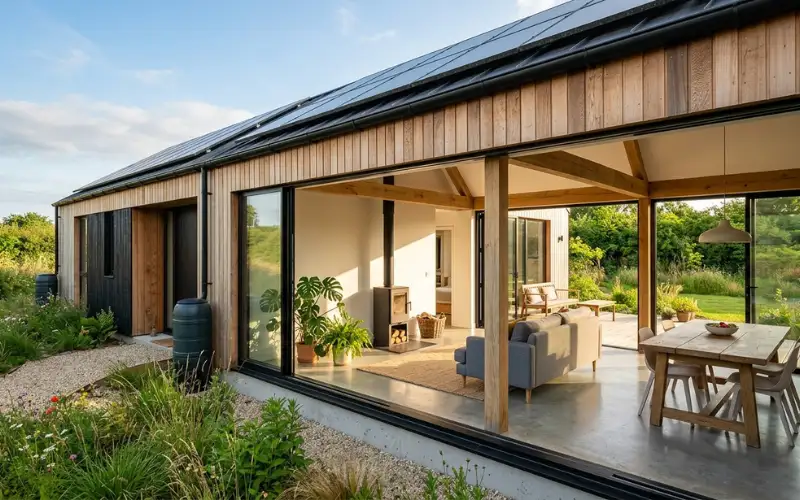
Window placement also feeds into year-round comfort. Daylight cuts the need for artificial light during the day, and thoughtful positioning helps manage heat gain and the temperature swings that come with it. A room with balanced daylight tends to feel more comfortable and run more efficiently.
Energy performance depends on plenty of factors, of course, but placement is a real part of the picture. Good design weighs comfort and practicality together rather than treating them as separate problems.
The best windows work with the whole room
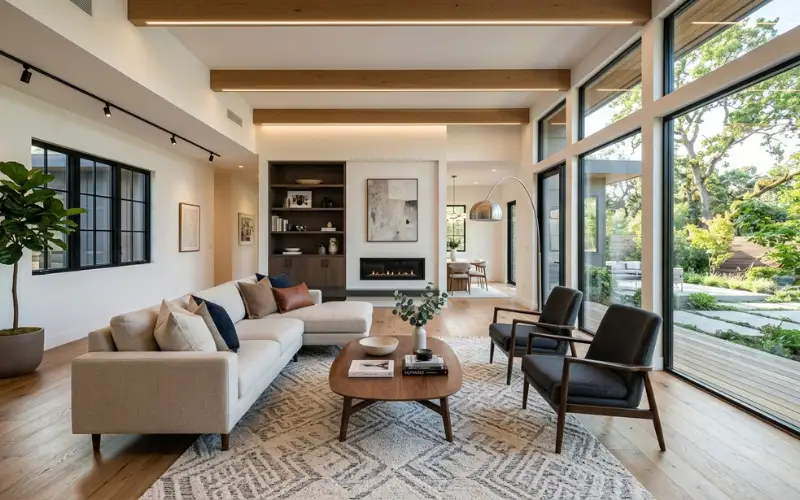
A frequent mistake is treating windows as standalone features — picked, sized, and placed in isolation. In reality they’re tangled up with everything else: the furniture layout, the paths you walk through the room, the storage, the views, the light.
When all of that is considered together, the room hangs together. It works better, looks more balanced, and is simply more pleasant to be in. That coordination is usually the difference between a room that feels adequate and one that feels properly designed.
Final thought
Window placement shapes far more than most homeowners realise — the daylight, the views, the privacy, the comfort, the whole atmosphere of a space.
Finishes and décor can absolutely improve a room, but the way light enters and travels through a home leaves a deeper, more lasting mark. Whether you’re renovating or building from scratch, thoughtful window placement is one of the most effective ways to create rooms that are brighter, more comfortable, and better suited to the way you actually live.