


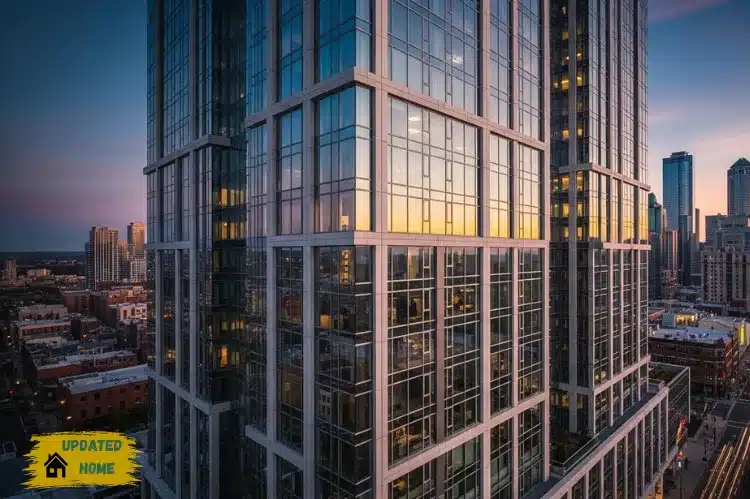
High-rise buildings dominate modern skylines with their sleek glass exteriors and panoramic views. But maintaining those windows is no easy feat. Between weather conditions, pollution, and the general wear and tear of urban life, grime can accumulate quickly. This leads many building managers and property owners to ask a crucial question:
how often should high-rise windows be professionally cleaned?
The answer isn’t one-size-fits-all. The ideal frequency depends on several key factors, including the type of building, its location, and its exposure to environmental elements. Let’s break it down.
Table of Contents
1. Type of Building Matters

The kind of tenants or operations housed inside a building plays a big role in determining window cleaning frequency. For instance, commercial office buildings typically prioritize cleanliness and appearance more than residential buildings, especially if they attract corporate tenants or host client-facing operations.
- Commercial buildings often require window cleaning three to four times per year to maintain a polished look that reflects professionalism and care.
- Luxury residential towers may also fall into this category if their tenants expect high standards for building maintenance and views.
- Standard residential buildings might only require window cleaning twice a year, depending on tenant expectations and building policies.
- Hotels or mixed-use developments may benefit from quarterly cleanings, especially if they offer high-end accommodations or dining with views.
2. Location, Location, Location

Where your building stands can have a dramatic impact on how quickly windows collect dirt. Buildings in busy urban centers or near construction zones are more prone to grime due to exhaust, dust, and foot traffic. Similarly, buildings located close to highways, industrial areas, or even near the water can experience higher exposure to air pollutants and salt deposits.
In cities with long winters or wet springs, windows can also suffer from salt stains, rain splatter, and freeze-thaw cycles that leave behind streaks and residue. For example, buildings in metropolitan hubs with active street life and constant traffic may need more frequent cleanings just to keep up with environmental buildup.
3. Exposure to the Elements

Not all sides of a building are affected equally. Windows facing high winds, sun, or heavy rain tend to get dirtier faster. The direction your building faces, as well as its height and surrounding structures, can influence how much exposure it gets.
- South and west-facing windows often bear the brunt of the sun and rain, which can dry out dirt and make windows look streaky or hazy.
- Upper floors generally need more attention since they are directly exposed to wind-blown particles, especially in windy seasons.
- Lower floors may be more affected by splashing from nearby streets, landscaping, or foot traffic, which can introduce mud and debris.
Buildings with glass balconies or overhangs also require special attention, as these areas often trap moisture and accumulate grime at a faster rate.
4. Recommended Cleaning Schedules
As a general guideline, here’s a simple breakdown based on the factors above:
- Low-rise residential: 1–2 times per year
- High-rise residential: 2–3 times per year
- Commercial office buildings: 3–4 times per year
- Hotels and hospitality: 4–6 times per year
- Retail or storefronts in high-traffic zones: Monthly or bi-monthly
Ultimately, the most effective way to determine the best schedule is to assess the specific needs of your building. Consider how quickly windows appear dirty after cleaning, tenant expectations, and what image you want to project.
5. Why Consistency Pays Off

Regular professional cleaning not only improves a building’s appearance but also helps preserve the glass over time. Dirt and pollutants can cause etching, staining, and long-term damage that shortens the lifespan of your windows. With consistent maintenance, you can prevent costly repairs or replacements, keeping the exterior looking sharp and the interior full of natural light.
Plus, professional window cleaners can spot issues like seal failures, cracks, or water infiltration early, saving building managers time and money.
Partnering With Experts

Working with a trusted, experienced company ensures your high-rise window cleaning is handled safely, efficiently, and on a schedule that makes sense for your property. Toronto Window Cleaners has been servicing high-rise buildings for over 20 years with a strong commitment to safety, customer satisfaction, and attention to detail. Their certified team knows how to tackle the unique challenges of cleaning in an urban setting.
Whether your building soars above a bustling street or overlooks quiet residential blocks, clean windows are a must. A clear view can brighten a space, elevate tenant satisfaction, and enhance property value. All it takes is the right cleaning schedule, and the right team.
Read Next: Luxury Residential Architecture Firms: Benefits of Luxury Home