


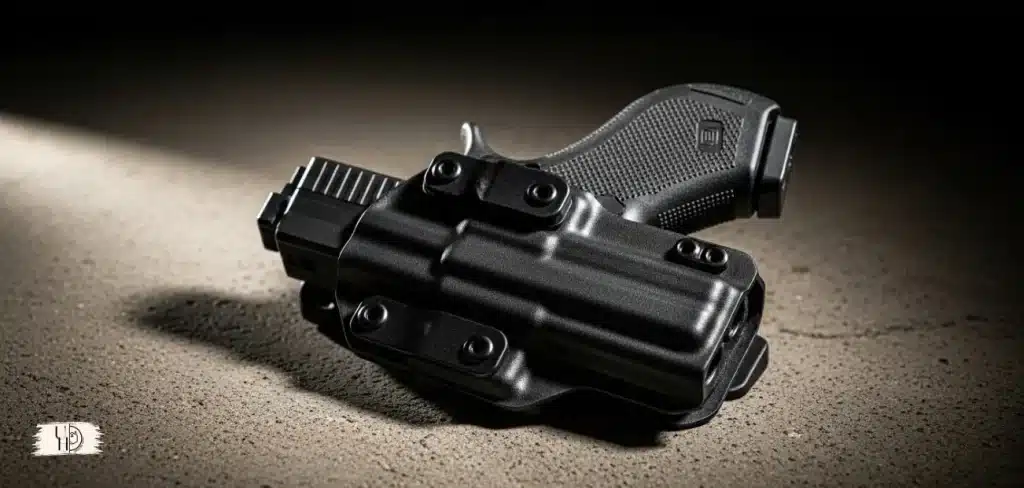
Choosing the right holster is a crucial decision for anyone who carries a concealed firearm. Houdini holsters have gained attention for their innovative design that offers a blend of security and ease of access. As new concealed carriers enter the fold, understanding why certain holsters are superior can be the difference between an uncomfortable experience and a seamless integration into daily life.
In this article, we delve into the essential factors that every concealed carrier should consider while selecting a Houdini Holsters. From comfort to compatibility, each aspect plays a significant role in the holster you choose to carry your firearm safely and discreetly.
Table of Contents
Selecting the Right Houdini Holster for Your Concealed Carry Needs
When you’re in the market for a concealed carry holster, the primary attention should fall on the fit and retention it offers for your specific firearm. A well-fitting Houdini holster ensures that your weapon stays secure while also allowing for quick and reliable access when needed. Houdini Holsters
The right holster should accommodate your firearm’s unique dimensions without being too tight or too loose. This prevents any unnecessary movement that may cause wear on your weapon or compromise its accessibility. A proper fit also significantly lowers the risk of accidental discharge, making safety a top priority.
To ensure you’re making the right choice, give your preferred holster a test run if possible. Practice drawing your firearm to see if it snags and check how the holster holds up during various levels of activity. Remember, a good holster should feel like a natural extension of your body.
Comfort and Concealability: Balancing Act for Houdini Holsters
For many concealed carriers, a comfortable holster makes the difference between carrying every day and leaving their firearm at home. Houdini holsters are designed to blend into your daily wear while providing comfort, even during extended periods of use. The balance between comfort and concealability should not be underestimated.
Comfort is directly linked to the design and placement of the holster. A holster that chafes, digs into your skin, or creates hot spots will quickly become unbearable. For instance, holsters with breathable materials and padding where they contact the body can significantly enhance comfort levels. Choosing the best concealed carry holster largely hinges on personal comfort while simultaneously considering the ease with which it hides your firearm from view.
Experiment with different carry positions and holster angles to find the combination that offers the best of both worlds. Whether it’s inside the waistband (IWB), outside the waistband (OWB), or shoulder carry, the right Houdini holster should conform to both your body shape and preferred clothing without compromising on either comfort or concealment.
Material and Durability Considerations for Long-Term Use
Investing in a Houdini holster also means paying close attention to the materials used in its construction. The lifespan and performance of a holster are largely determined by the quality of materials and craftsmanship. Durability is a long-term investment, especially for items that undergo daily wear and tear like holsters.
Materials commonly used in Houdini holsters include leather, nylon, and various synthetics. Each material has its own set of merits and demerits. Leather, for example, is renowned for its durability and classic appearance but requires maintenance to stay in top condition. On the other hand, synthetic materials offer resilience against the elements and can be more affordable while providing adequate support and comfort. Choosing concealed carry holster materials is essential for ensuring longevity and performance.
When selecting a holster, examine the stitching, attachment points, and overall
construction quality. Avoid holsters with signs of weak assembly that may wear out quickly. Remember that a durable holster isn’t just about withstanding daily use; it’s also about maintaining secure retention and structural integrity over time.
Compatibility with Firearms and Wardrobe: A Houdini Holster Checklist
While finding the right Houdini holster might seem daunting, the key lies in compatibility with both your firearm and wardrobe. A holster that fits your gun perfectly but doesn’t work with your clothing choices is not practical for everyday concealed carry. Vice versa, a holster that is discreet under clothing but doesn’t fit your firearm snugly can be unsafe.
Acknowledge the changes in your wardrobe with each season, which can affect the kind of holster you need. A Houdini holster that discreetly fits under a winter coat may not be as effective with summer attire. It’s about finding the right balance that does not force you to compromise on your style or comfort regardless of the season.
Create a checklist to evaluate potential holsters, including firearm model compatibility, wardrobe versatility, and ease of weapon drawing. Prioritize holists that offer adjustment features, allowing you to modify the angle and depth of carry. A good holster should adapt to your life, not the other way around.
Ultimately, the investment in a Houdini holster is about more than just keeping your weapon out of sight. It’s about finding the perfect balance between comfort, safety, durability, and everyday practicality. With careful attention to the details discussed, concealed carriers can confidently choose a holster that will serve them well for years to come.