


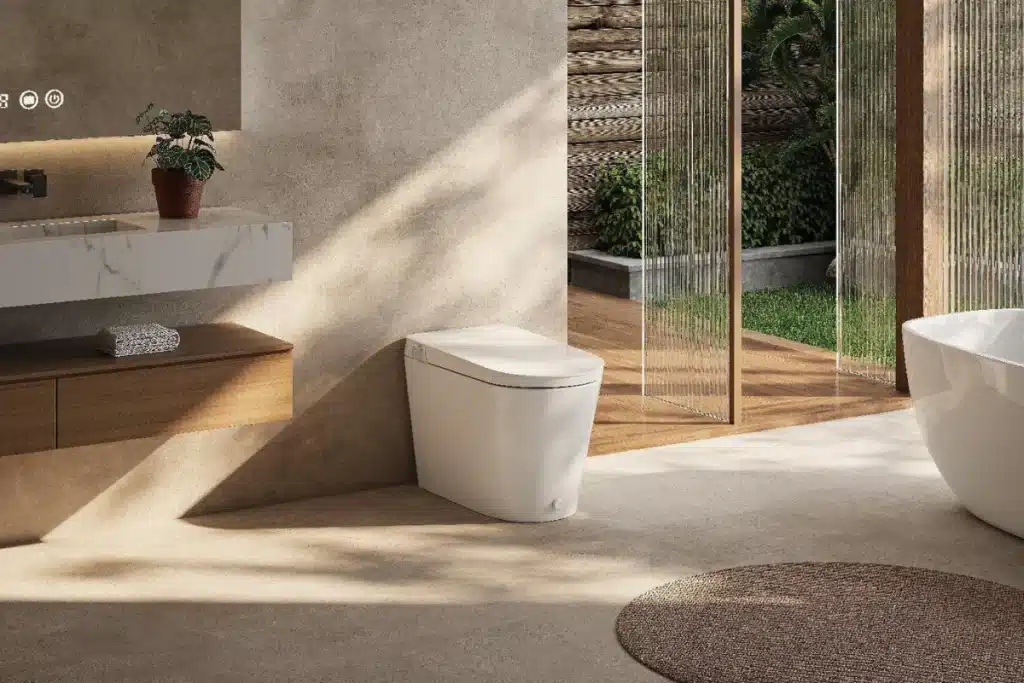
Bathroom upgrades are increasingly focused on hygiene and daily comfort, and bidet toilets have become a common consideration in modern home renovations.
However, one practical limitation often determines whether this upgrade is actually feasible: electrical access.
Most bidet toilet systems require a nearby power source to operate. While this is rarely an issue in new construction, it becomes a significant constraint in older homes, secondary bathrooms, or finished spaces where electrical modification is difficult.
As a result, many homeowners end up asking a more practical question than design preference:
Can a bidet toilet be installed without electrical work?
Table of Contents
The Real Limitation: Electrical Access in Existing Bathrooms

In many renovation projects, the challenge is not the fixture itself but the conditions of the home.
Older bathrooms in particular were not designed with outlet placement near the toilet area. Adding electrical access in these cases typically requires:
- Opening finished wall surfaces
- Running new electrical wiring
- Installing a dedicated outlet
- Involving licensed electricians
- Coordinating additional renovation steps
This turns a relatively simple fixture replacement into a broader construction project, often increasing both cost and timeline.
For many homeowners, this added complexity becomes the deciding factor in whether the upgrade moves forward.
Why This Becomes a True Decision Barrier
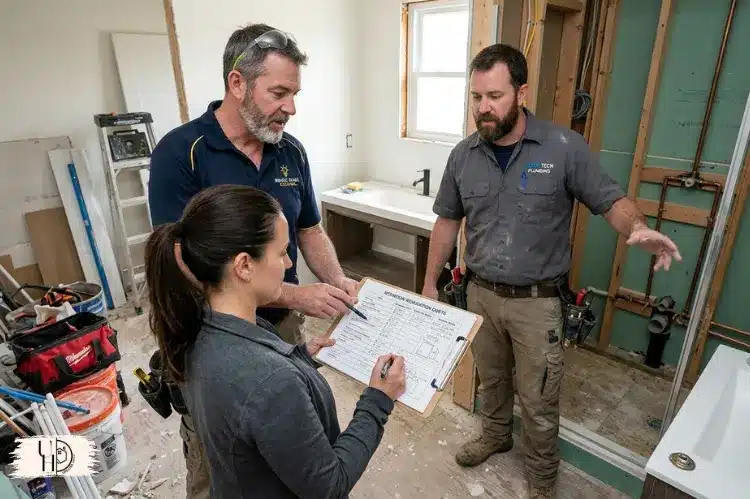
Electrical requirements do more than add cost—they change the nature of the renovation itself.
They often result in:
- Expanded project scope
- Higher labor costs
- Longer timelines
- Increased coordination between trades
Because of this, the decision is no longer driven purely by preference. It becomes a question of practicality:
Whether the upgrade can realistically be completed within existing home constraints.
The Emergence of Non-Electric Bidet Toilet Solutions
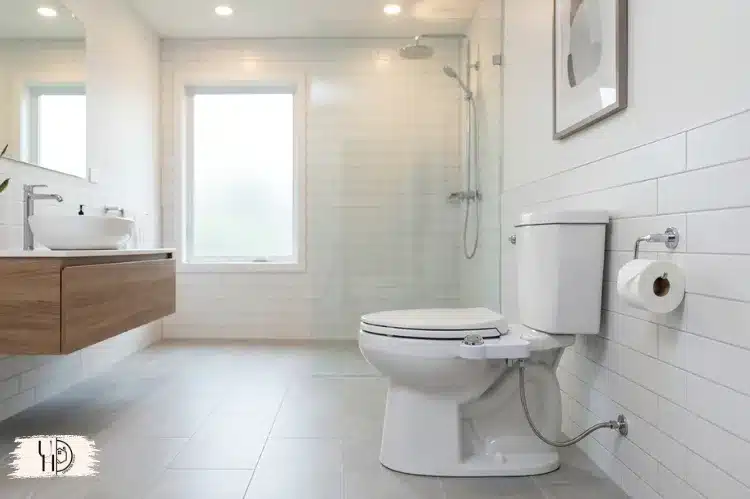
In response to these limitations, a specific product category has become increasingly
relevant: non-electric bidet toilets designed for retrofit environments.
These systems are designed to provide bidet functionality without requiring electrical wiring, making them suitable for bathrooms where electrical upgrades are impractical or undesirable.
Rather than focusing on adding more features, this category focuses on removing installation barriers.
Example: HOROW N30 as a Retrofit-Oriented Solution
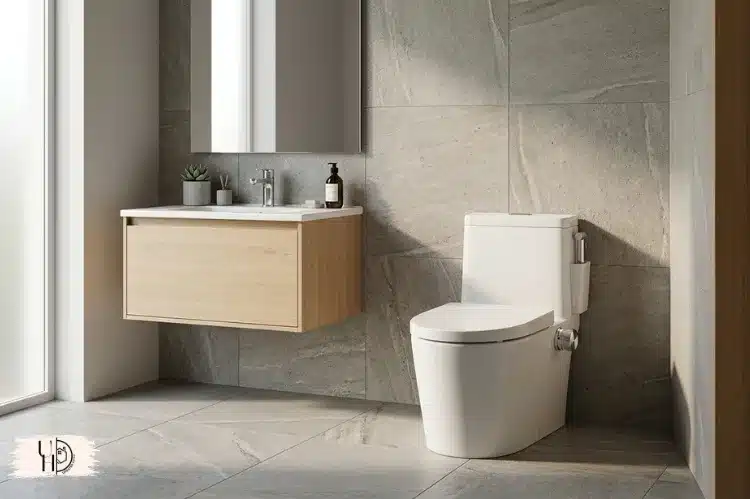
HOROW N30 represents this category of installation-focused bidet toilets designed for real-world renovation constraints.
Its positioning is not centered on advanced automation or luxury features, but on enabling bidet functionality in bathrooms where electrical work is not feasible.
In practical renovation scenarios, this makes it particularly relevant for:
- Older homes without nearby outlets
- Basement bathrooms with limited wiring access
- Secondary bathrooms where minimal disruption is preferred
- Rental properties where structural changes are restricted
In these contexts, the value of the product is not defined by added complexity, but by whether it can be installed at all without electrical modification.
At the same time, it still supports essential daily functions such as bidet washing and standard flushing performance, ensuring that usability is not compromised by the simplified installation design.
Built Around Core Functionality, Not Feature Expansion
The N30 focuses on maintaining essential bathroom functions while avoiding reliance on electrical systems.
This includes:
- Basic bidet washing functionality
- Standard flushing performance with water efficiency considerations
- Hygiene-focused design elements for easier maintenance
The emphasis is on providing a complete but simplified usage experience, rather than replicating fully powered smart toilet systems.
Limitations and Trade-Offs
Non-electric bidet toilets are not intended to replace fully electric smart toilets in all situations.
They typically do not include advanced features such as heated seating, warm air drying, or fully automated controls.
Instead, they prioritize a different design goal:
Installation feasibility over feature expansion.
Understanding this trade-off is important when evaluating whether this type of product is suitable for a given renovation project.
Key Takeaway
Bathroom upgrades are increasingly shaped by infrastructure constraints rather than design preference alone.
In many homes, especially older or secondary bathrooms, the main challenge is not selecting a better product—but finding one that can be realistically installed without major electrical work.
Non-electric bidet toilets like the HOROW N30 address this gap by offering a practical solution for installation-limited environments, making bidet functionality accessible without requiring structural renovation.
For many homeowners, this is not simply an alternative option—it is often the most realistic path to achieving the upgrade within existing conditions.