

A roof in poor condition can quickly reduce your home’s comfort, appearance, and value. The first thing to notice would be leaks, stains, or warped shingles, and wonder when a professional inspection is due
Crown Roofing and Waterproofing helps homeowners recognize these warning signs early and take appropriate measures to ensure a safe, long-lasting home. You can learn to notice the signs your roof sends and avoid minor problems that turn into expensive repairs.
Table of Contents
Visible Damage and Wear
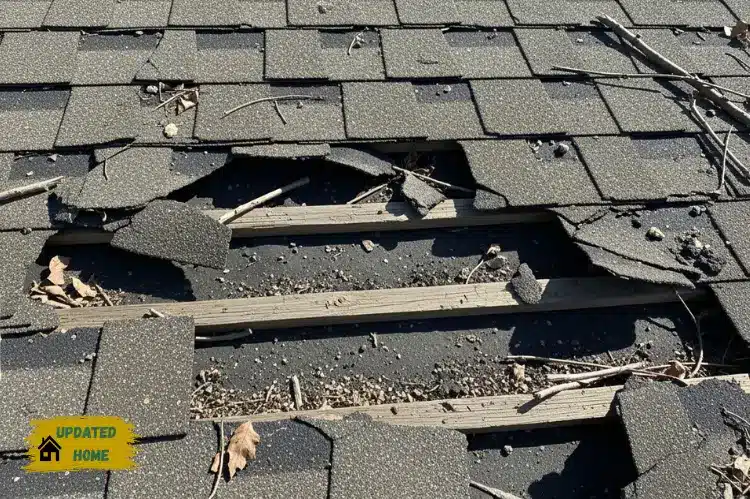
Deterioration of the roof is the most obvious sign of roof distress. When you see that the shingles are cracked, curled, or missing, then you know that the shell around your roof is damaged. Shingles exposed to direct sunlight or heavy storms lose granules over time, making your roof less durable to rain and UV damage.
This is why cool-colored granules are ideal when choosing shingles. When these damaged areas occur in multiple places, it is usually an indication that your roof is nearing the end of its life. Booking a roof inspection may help determine whether localized repairs are sufficient or whether roof replacement is more expedient.
Interior Stains and Water Leaks

One of the most destructive issues of any home is water infiltration. Minor leaks may lead to concealed mold, structural deterioration, and insulation damage. Check the ceiling, walls, bubbling paint, or moisture on the walls.
These are warning indications that water is leaking through cracks or flaking. Another area to inspect is the attic to check for wet insulation or dark spots on the rafters, particularly after heavy rain. When you observe such symptoms, it is important to seek professional medical treatment as soon as possible to prevent costly structural repairs.
Sagging Rooflines
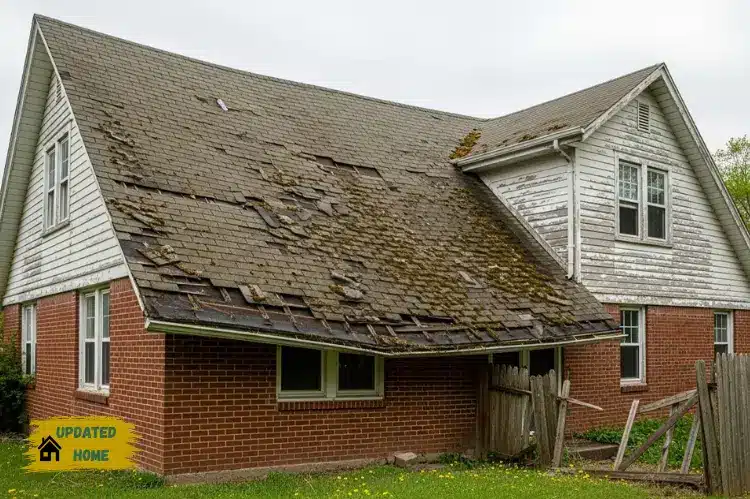
Sagging or dipping roofs are warning signs. This is a structural alteration that usually reveals moisture traps, rotting decking boards, or a support beam that is already weak. Unattended, it will result in partial failure or extensive destruction.
Once you notice that your roofline is not straight on the ground, put a full checkup on your list immediately. The roofing professional will help determine whether a repair or a total replacement is necessary to restore your home’s normal security and integrity.
Increasing Energy Bills

In case your bills have gone up even when you are using them normally, you should blame your roof. Poorly insulated, old shingles, or vents and flashing will permit heat loss in the winter and allow heat in the summer.
The inability of your attic to regulate temperature will strain your HVAC system. The next step is to consider proposing to a professional the use of energy-efficient materials during your next roof replacement, which will help reduce utility bills and make the interior more comfortable.
Moss, Algae, and Debris Buildup

The roof that is constantly shaded by trees or moisture is likely to have algae and moss. Although it might appear cosmetic, this growth traps water and, in due course, leaks roofing materials.
Gradually, it causes shingles to peel off and wood decking to rot. Regular cleaning and gutter maintenance help keep accumulation at bay, but once the growth has spread widely, your roof is likely already damaged. Cleaning up debris and trimming surrounding trees is also a way to extend the life of your roofing system.
Gutters and Downspouts Granules

The aging of the shingles causes them to lose the protective granules, which guard them against sunshine and other weathering agents. You may find sand-like particles in your gutters or downspouts.
The appearance of these granules indicates that your shingles are no longer very effective. The absence of that layer exposes your roof to heat and leaks. Once this occurs in a large area of your roof, you may want to plan to replace it before it starts to leak.
Storm and Wind Damage

Extreme storms may cause permanent damage that may not always be visible on the surface. Powerful winds may blow shingles and/or cause flashing to be torn away, and hail may injure and pierce roofing materials.
It is prudent to conduct a quick check after each instance of severe weather or to seek the services of a professional for a more detailed examination. Repairing storm damage helps prevent leaks and increases your home’s ability to withstand weather in the future.
When to Consider an Update

You do not have to wait for your roof to fall down before changing it. Roofs older than 20 years may contain weakened materials, even if they do not show signs of damage. The life of most asphalt roofs is 20-25 years, whereas the life of metal and tile roofs is longer with proper care.
Replacing a roof before it fails fully protects your property investment and maintains a uniform curb appeal. An expert in residential roofing assistance should be able to assess the best course of a partial upgrade or a complete upgrade.
How to Do It Right

After you decide your roof needs some work, the next step is proper planning to ensure a long-lasting solution. These are the key points to believe in:
- Book a professional examination. Get a professional to evaluate the damage and the points of weakness and determine how much it will cost to repair or replace.
- Select quality materials. Select a long-lasting roofing that best suits the climate in your area and the style of your house.
- Preventive planning on ventilation and drainage. Having sufficient attic airflow and clear gutters will help prevent problems such as ice dams and mold.
- Use a reliable contractor. A good company guarantees proper installation, open prices, and a warranty.
- Maintain your new roof. Even the superior materials need to be inspected and washed from time to time to remain in the best condition.
- By doing these, you will maximize your investment and your roof will still continue protecting your home.
Take the Right Step Toward a Longer-Lasting Roof

Your roof quite literally shelters you day after day, but it also demands that you take care of it so it can be strong. Early identification of indicators of deterioration will prevent unnecessary damage, allowing you to make informed decisions about repair or replacement.
The Crown Roofing and Waterproofing offers expert advice and quality workmanship to keep your home safe and energy-efficient. When you observe any of the warning signs above, book an inspection appointment now to see what you can do to repair or replace your roof and secure your home, in case you need it years down the line.